
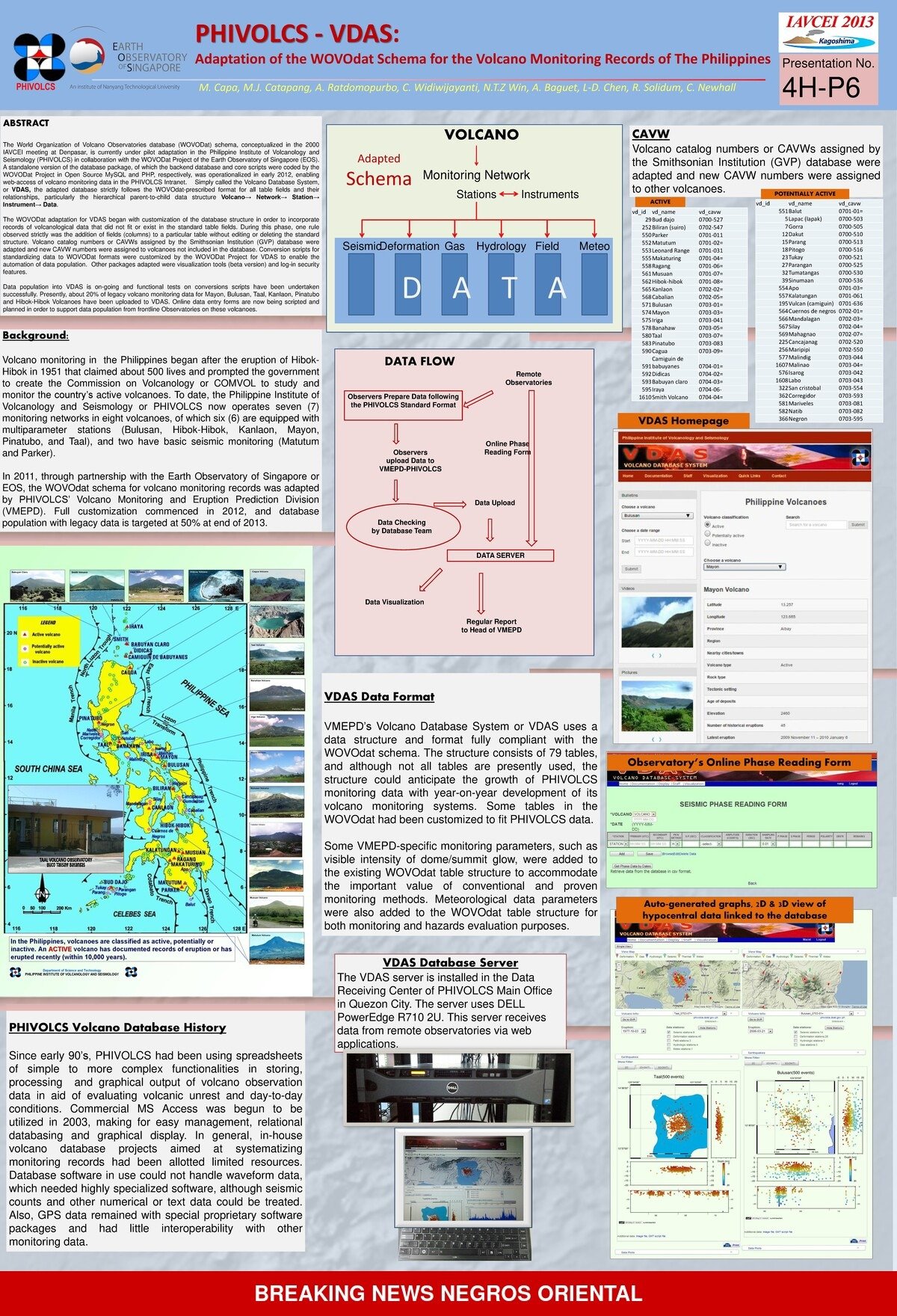
The Philippine Institute of Volcanology and Seismology (PHIVOLCS) recorded 279 volcanic earthquakes at Mayon Volcano in Albay province within a 24-hour period ending March 15, 2026, as the country’s most active volcano remains under Alert Level 3 due to intensified magmatic unrest.
According to the latest PHIVOLCS bulletin released March 15, the volcano continues to exhibit significant volcanic activity with active lava effusion creating flows extending 3.8 kilometers down the Basud gully, 3.2 kilometers along the Bonga gully, and 1.3 kilometers through the Mi-isi gully.
The 24-hour monitoring period from 12:00 AM March 14 to 12:00 AM March 15 also documented 324 rockfall events and three pyroclastic density current signals, indicating heightened volcanic processes within the edifice.
High Sulfur Dioxide Emissions Detected
PHIVOLCS reported elevated sulfur dioxide (SO2) flux measurements of 2,430 tonnes per day as of March 14, 2026, significantly above normal baseline levels. The high SO2 emissions indicate active magma degassing occurring deep within the volcanic system.
Scientists observed fair crater glow visible to the naked eye during nighttime hours, while volcanic plume observations remained obscured due to weather conditions. Ground deformation measurements confirmed that the volcano edifice continues to inflate, suggesting ongoing magma intrusion beneath the surface.
The seismic activity included 279 volcanic earthquakes during the 24-hour period, though none provided sufficient seismic records for precise location determination. This level of seismic unrest reflects the active movement of magma within the volcanic system.
Six-Kilometer Danger Zone Enforced
PHIVOLCS maintains strict recommendations prohibiting entry into the six-kilometer radius Permanent Danger Zone (PDZ) surrounding Mayon Volcano. The agency also advised against flying any aircraft close to the volcanic area due to the ongoing hazardous conditions.
The current volcanic activity poses multiple hazards to surrounding communities, including potential rockfalls, landslides, and avalanches from the unstable volcanic slopes. Ballistic fragments from strombolian activity could be ejected beyond the immediate crater area.
Ongoing lava flows and intermittent lava fountaining continue to affect the southeastern flanks of the volcano. The presence of pyroclastic density currents – fast-moving mixtures of hot gas and volcanic material – poses particular risks to areas within the danger zone.
Regional Impact and Safety Concerns
While Mayon Volcano is located in Albay province in the Bicol Region, approximately 250 kilometers from Negros Oriental, volcanic activity of this magnitude can have broader regional implications for air travel and maritime operations across the central Philippines.
The Department of Science and Technology’s monitoring network continues 24-hour surveillance of the volcano through multiple observation stations positioned around the volcanic edifice. Real-time seismic, ground deformation, and gas emission data feed into the agency’s hazard assessment protocols.
Local government units in Albay province have implemented evacuation procedures for communities within the danger zone. Emergency response teams remain on standby as authorities monitor the situation for any escalation in volcanic activity.
Potential for Lahar Formation
PHIVOLCS warned of possible lahar formation during periods of heavy and prolonged rainfall. Lahars – volcanic mudflows composed of water, rock fragments, and volcanic debris – can travel rapidly down river channels and pose significant threats to downstream communities.
The ongoing rainy season in the Philippines increases the likelihood of lahar generation, as accumulated volcanic material on the slopes becomes mobilized during intense precipitation events. River systems draining Mayon Volcano require continued monitoring for potential lahar activity.
Moderate-sized explosive eruptions remain possible under current conditions, which could affect areas well beyond the immediate danger zone through ash fall and projectile hazards.
Historical Context and Monitoring
Mayon Volcano, renowned for its nearly perfect cone shape, ranks among the Philippines’ most active volcanic systems with over 50 recorded eruptions since 1616. The volcano’s location in Albay province places it within one of the country’s most volcanically active regions.
Alert Level 3 indicates “intensified unrest” or “magmatic unrest” requiring evacuation of the high-risk areas and preparation for possible hazardous eruption within weeks to months. This alert level represents a significant escalation from normal background conditions.
The current episode of unrest began with increased seismic activity and ground deformation detected by PHIVOLCS monitoring instruments. Continuous GPS stations and tiltmeters around the volcano provide real-time measurements of ground movement associated with magma intrusion.
Ongoing Monitoring and Future Outlook
PHIVOLCS maintains comprehensive monitoring through its volcano observatory network, utilizing seismometers, thermal cameras, gas sensors, and visual observation posts. The agency provides regular updates through its official website and social media channels to keep the public informed of changing conditions.
The institute continues to coordinate with local disaster risk reduction and management offices to ensure appropriate response measures remain in place. Emergency communication systems link monitoring stations with local authorities for rapid dissemination of critical information.
Scientists emphasize that volcanic systems can remain at elevated alert levels for extended periods, with activity levels subject to rapid changes. The current monitoring data suggests continued magmatic processes that warrant sustained vigilance and adherence to safety protocols.
Photo credit: Photo courtesy of PHIVOLCS/DOST
Stay informed — get Negros Oriental news weekly
Free newsletter, no spam. Unsubscribe anytime.