
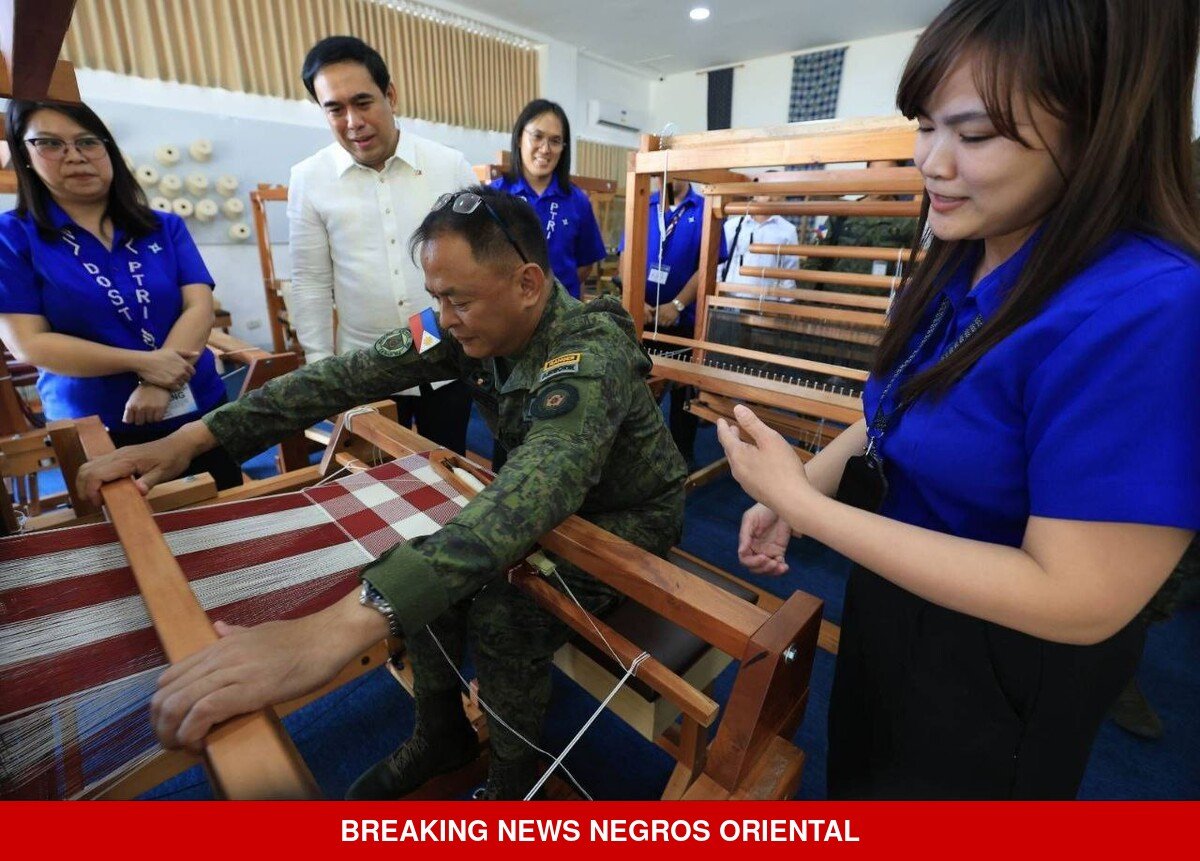
The Philippine Army, under the leadership of Lt. Gen. Antonio G. Nafarrete, is embarking on a significant initiative to boost the local production of military uniforms using indigenous materials. This partnership with the Department of Science and Technology’s Philippine Textile Research Institute (DOST-PTRI) was formalized during a reciprocal visit on March 10, 2026, at DOST-PTRI’s facilities in Bicutan, Taguig City.
Details of the Collaboration
During the visit, Lt. Gen. Nafarrete and DOST-PTRI Director Dr. Julius L. Leaño Jr. engaged in discussions focused on ongoing research initiatives, production capabilities, and the strategic direction necessary for the development of high-performance Philippine Tropical Fabric (PTF)-compliant military uniforms and footwear. This collaboration is part of a broader effort to enhance the Philippine Army’s reliance on locally sourced materials, promoting both sustainability and economic growth.
“We are committed to harnessing home-grown innovation in support of our modernization thrusts under the Self-Reliant Defense Posture (SRDP) Revitalization Act,” said Lt. Gen. Nafarrete. The program aims to localize military production capabilities, reducing dependence on foreign suppliers and fostering domestic industry.
Context and Background of the Initiative
The move to localize military uniform production aligns with the Philippine government’s initiative to encourage self-reliance in defense manufacturing. The SRDP Revitalization Act, introduced to bolster the country’s defense posture, emphasizes using domestic resources while simultaneously enhancing the capabilities of the local defense industry.
The DOST-PTRI has long been instrumental in advancing textile technology in the Philippines, focusing on innovation and sustainability. The institute has engaged in various research projects aimed specifically at developing fabrics suitable for the tropical climate of the Philippines, accommodating the unique needs of the military and other uniformed services.
Production and Benefits of the Telang Pinoy Fabric
The Telang Pinoy fabric is engineered to meet Philippine military standards, addressing durability, comfort, and moisture-wicking properties essential for tropical conditions. This initiative not only ensures that military personnel receive high-quality uniforms tailored to their operational environment but also empowers local textile manufacturers and spurs job creation.
The partnership is expected to lead to the establishment of local factories capable of producing military uniforms and supplies. This manufacturing capability could significantly bolster local economies, particularly in regions like Negros Oriental, where a resurgence in local production could provide a much-needed economic boost. Direct job creation in textile manufacturing and indirect jobs in related sectors are anticipated as a result.
Official Statements on the Collaboration
In an official statement, both Lt. Gen. Nafarrete and Dr. Leaño emphasized the importance of this collaboration in achieving the Philippines’ goal of self-sustainability. “This partnership will not only benefit the Philippine Army but will also advance our national capabilities in textile research and production,” Dr. Leaño asserted.
This initiative is also seen as part of a larger trend where governments globally are seeking to innovate and localize defense capabilities. Recent global events have demonstrated the vulnerabilities linked to over-reliance on foreign supplies, especially in critical sectors like defense and safety equipment.
Impact and Implications
This collaboration is poised to have substantial implications for various sectors in the Philippines. Aside from enhancing military readiness and adaptability, the production of locally-sourced military uniforms is anticipated to have ripple effects throughout the economy.
Local businesses in textile manufacturing will benefit from the army’s guaranteed contracts for uniforms, potentially leading to increased investment in innovation and infrastructure in the textile industry. This could also attract new businesses to the textiles sector, increasing competition and improving quality.
Moreover, local production can significantly reduce logistics costs and timeframes associated with importing materials, contributing to a more efficient supply chain. This is particularly relevant in a country often affected by natural disasters, where the rapid deployment of logistical support can be critical.
Historical Context and Future Directions
The Philippine Army has a long tradition of adapting to the evolving needs of its personnel and operations. Previously, military uniforms were often imported, which not only increased costs but also delayed supply chain responsiveness. The decision to use local fabrics represents a turning point in the Army’s logistics strategy.
As the project progresses, DOST-PTRI will likely enhance its collaboration with local manufacturers and textile technology experts to refine processes and improve fabric quality. This could set a new standard for military uniform production in the country, ensuring that personnel are equipped with reliable and locally-sourced materials.
Moving forward, the Philippine Army plans to conduct public consultations and workshops with local stakeholders to gather further input for the ongoing development of the project. Feedback will be critical in shaping the future of this initiative, ensuring that it meets the needs of soldiers and supports regional economic growth effectively.
Conclusion
The partnership between the Philippine Army and DOST-PTRI signifies a substantial commitment to promoting local production, sustainability, and innovation in military logistics. As the initiative unfolds, it will serve as a crucial case study for other sectors looking to localize production and enhance self-reliance in the Philippine economy.
Photo credit: Photo by SSg. Cesar P. Lopez PA/OCPA
Stay informed — get Negros Oriental news weekly
Free newsletter, no spam. Unsubscribe anytime.