
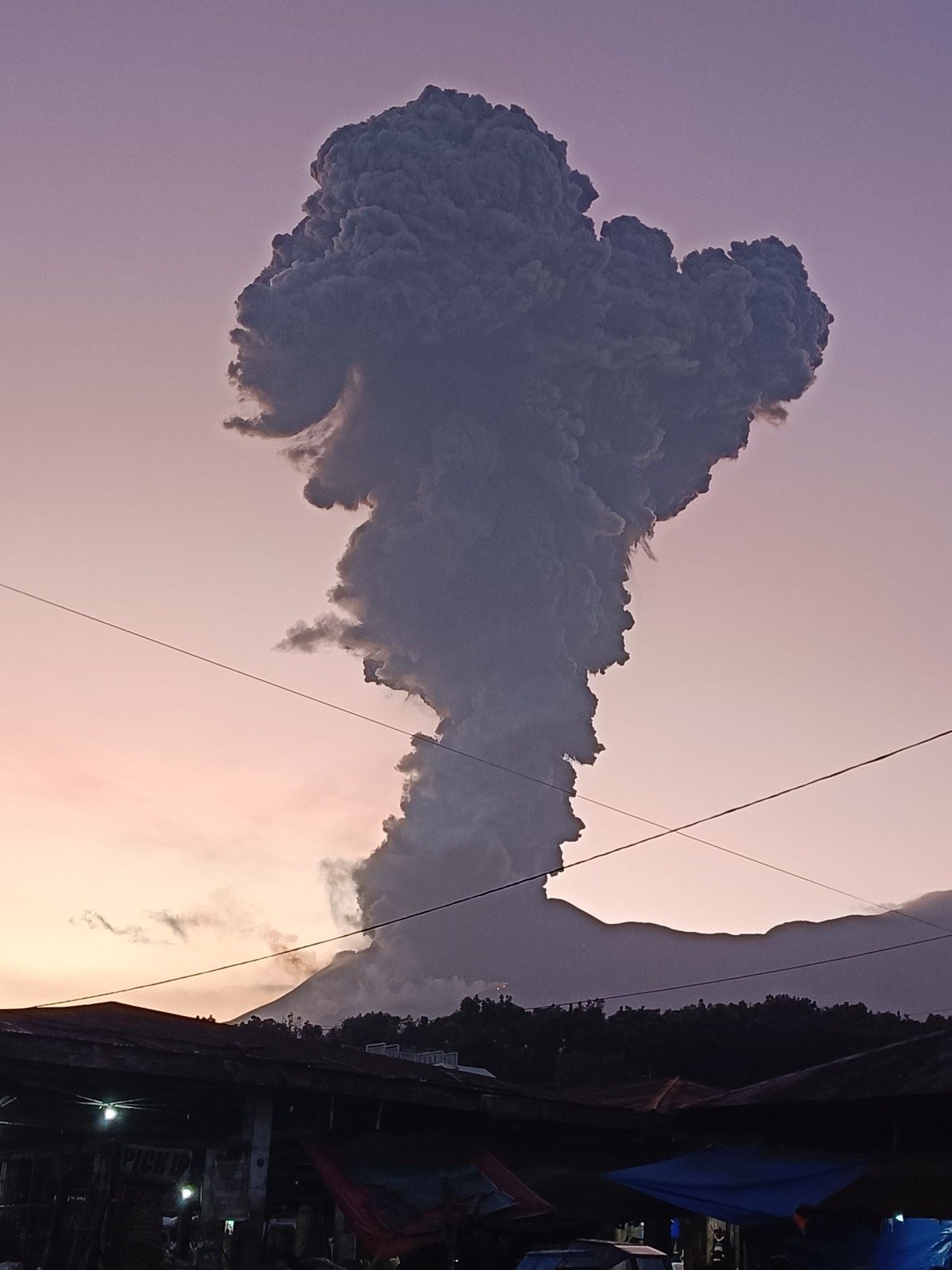
The Department of Science and Technology – Philippine Institute of Volcanology and Seismology (DOST-PHIVOLCS) is utilizing computer simulations of potential Kanlaon Volcano eruptions to enhance ashfall impact monitoring and preparedness for communities surrounding the volcano. These simulations are based on a moderately explosive eruption scenario projected for March 15, 2026, providing a crucial tool for local government units and residents. The agency released these simulations following increased volcanic activity in February 2026 and a recent eruption on June 6, 2026.
Ash3D Model Used for Prediction
DOST-PHIVOLCS employs Ash3D, an ash dispersion model, to guide volcanologists and local government units in monitoring ashfall resulting from volcanic eruptions. The maps generated depict the thickness and distribution of ashfall, its dispersal patterns, and the height of the eruption cloud. This information is essential for identifying and verifying areas affected or potentially affected by ashfall, allowing for targeted response and mitigation efforts.
The agency stresses that these simulations are crucial for pre-emptive planning and preparation. The simulations allow local authorities to understand the potential reach of ashfall under different eruption scenarios and wind conditions. The simulations can also help optimize evacuation routes and the distribution of resources.
Recent Kanlaon Activity Prompts Alert
Kanlaon Volcano has experienced a series of moderately explosive eruptions in recent months. On June 6, 2026, at 6:07 PM, another moderately explosive eruption occurred at the summit, generating a 5-kilometer-high eruption column. The eruption column drifted southeast and northeast. Similar eruptions occurred on February 19 and February 26, 2026. Alert Level 2 remains in effect for Kanlaon Volcano, and entry into the 4-kilometer Permanent Danger Zone (PDZ) is strictly prohibited.
The repeated volcanic activity serves as a stark reminder of the need for constant vigilance and preparedness among communities near Kanlaon. DOST-PHIVOLCS continues to closely monitor the volcano’s activity and provide updates to the public and local authorities.
Understanding Ashfall Hazards
Ashfall poses several dangers to communities. According to DOST-PHIVOLCS, ashfall can contaminate water sources, disrupt transportation, damage infrastructure, and cause respiratory problems. Heavy ashfall can also collapse roofs, especially in areas not designed to withstand the added weight. Prolonged exposure to ashfall can also harm agriculture and livestock.
Residents are advised to take precautionary measures before, during, and after ashfall events. These measures include:
- Staying indoors whenever possible.
- Wearing masks or covering the nose and mouth with a damp cloth.
- Protecting water sources from contamination.
- Clearing ash from roofs to prevent collapse.
- Driving with caution, as ashfall can reduce visibility and make roads slippery.
DOST-PHIVOLCS Provides Safety Guidelines
DOST-PHIVOLCS urges the public to stay informed about the potential hazards of ashfall and to take necessary precautions to ensure their safety. The agency provides detailed safety guidelines and information on its website and social media channels. These resources offer practical advice on how to prepare for, respond to, and recover from ashfall events.
The agency’s website (https://www.phivolcs.dost.gov.ph/index.php/volcano-hazard/volcano-preparedness) provides comprehensive information on volcano preparedness, including guidelines on what to do before, during, and after an ashfall event. These resources are invaluable for residents living near active volcanoes, such as Kanlaon.
Impact on Negros Oriental and Negros Occidental
Kanlaon Volcano, straddling the border between Negros Oriental and Negros Occidental, poses a significant threat to both provinces. The potential impact of ashfall extends beyond immediate health concerns and includes economic disruptions to agriculture and tourism. The agricultural sector in both provinces is particularly vulnerable, as ashfall can damage crops and contaminate grazing lands. Tourism, a vital industry in both regions, can also be affected by volcanic activity, leading to cancellations and reduced visitor numbers.
In Negros Oriental, cities and municipalities such as Canlaon City, Guihulngan City, and Vallehermoso are particularly susceptible to the effects of a Kanlaon eruption, depending on wind direction and eruption intensity. Similarly, in Negros Occidental, areas like La Carlota City, Bago City, and San Carlos City face potential ashfall hazards. The local governments in these areas are actively involved in disaster preparedness and mitigation efforts, working closely with DOST-PHIVOLCS to monitor volcanic activity and implement safety measures.
Local Government Initiatives
Local government units (LGUs) in Negros Oriental and Negros Occidental are implementing various initiatives to enhance disaster preparedness. These initiatives include:
- Conducting regular drills and simulations to prepare residents for volcanic eruptions.
- Stockpiling emergency supplies, such as masks, food, and water.
- Establishing evacuation centers and identifying safe zones.
- Disseminating information about volcanic hazards and safety measures through public awareness campaigns.
- Collaborating with DOST-PHIVOLCS to monitor volcanic activity and interpret scientific data.
Long-Term Monitoring and Research
DOST-PHIVOLCS conducts continuous monitoring and research to better understand Kanlaon Volcano’s behavior and potential hazards. This includes:
- Monitoring seismic activity using a network of seismographs.
- Measuring gas emissions from the volcano’s summit.
- Analyzing the composition of volcanic ash and other materials.
- Conducting ground deformation surveys to detect changes in the volcano’s shape.
- Using satellite imagery to monitor volcanic activity from space.
The data collected through these efforts helps scientists refine their understanding of Kanlaon Volcano’s eruption patterns and improve their ability to forecast future activity. This information is crucial for providing timely warnings to communities and minimizing the impact of volcanic eruptions.
Continued Vigilance is Key
The recent volcanic activity at Kanlaon Volcano underscores the importance of continued vigilance and preparedness. DOST-PHIVOLCS and local government units are working together to ensure that communities are informed, equipped, and ready to respond to any potential volcanic hazards. Residents are encouraged to stay informed, follow official advisories, and take necessary precautions to protect themselves and their families.
By understanding the potential dangers of ashfall and taking proactive steps to prepare, communities can significantly reduce their vulnerability to volcanic eruptions and build resilience in the face of natural disasters.
Photo credit: Photo from DOST-PHIVOLCS
Stay informed — get Negros Oriental news weekly
Free newsletter, no spam. Unsubscribe anytime.