
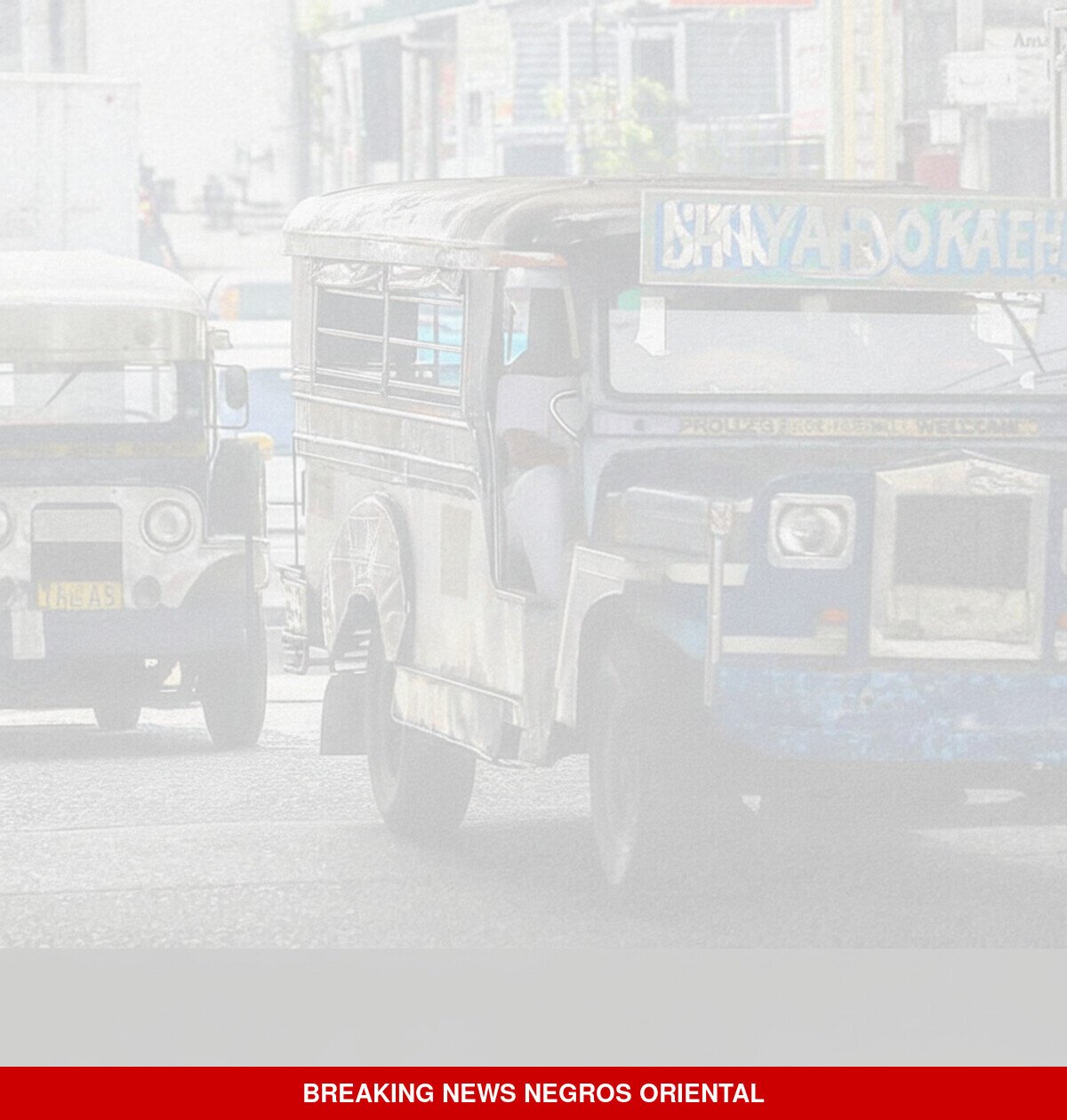
The Department of Social Welfare and Development (DSWD) has streamlined the application process for the P5,000 fuel subsidy program designed to assist public utility vehicle (PUV) drivers affected by rising oil prices due to escalating tensions in the Middle East.
According to DSWD Secretary Rex Gatchalian, the government has eliminated interview requirements and requests for additional valid identification documents to expedite the distribution of financial assistance to drivers impacted by the ongoing crisis.
“Alam mo ang laging sinasabi ng Presidente sa akin: Matulungan yung mga nangangailangan, pero huwag na natin silang [papabalik-balikin] at pahirapan,” Gatchalian stated, emphasizing the administration’s directive to help those in need without subjecting them to unnecessary bureaucratic processes.
Distribution Schedule and Coverage
The cash aid distribution is set to commence on Tuesday, March 17, across 39 payout sites throughout Metro Manila. The program will prioritize approximately 139,000 tricycle drivers before extending coverage to other categories of PUV operators.
Following the initial distribution to tricycle drivers, the program will expand to include jeepney drivers, taxi operators, bus drivers, and Transport Network Vehicle Service (TNVS) drivers. This comprehensive approach aims to address the financial burden faced by various segments of the public transportation sector.
The DSWD has announced that the distribution process will be completed within three to five days to minimize disruption to drivers’ daily operations and livelihood activities.
Background on Fuel Crisis Impact
The fuel subsidy program was implemented in response to significant increases in petroleum product prices triggered by geopolitical tensions in the Middle East. These price hikes have particularly affected PUV drivers, who rely heavily on fuel for their daily income generation.
Oil prices have experienced volatility due to ongoing conflicts and political instability in major oil-producing regions, directly impacting transportation costs in the Philippines. The government’s intervention through this subsidy program represents an attempt to cushion the economic blow to the transport sector.
For many PUV drivers, fuel costs represent a substantial portion of their daily expenses, with price increases often eating into their already modest profit margins. The P5,000 subsidy, while temporary, provides crucial relief during this period of economic uncertainty.
Simplified Application Process
The streamlined process eliminates several bureaucratic hurdles that previously slowed down aid distribution. Under the new guidelines, drivers will no longer be required to undergo lengthy interviews or provide multiple forms of identification beyond basic requirements.
This simplified approach reflects the government’s recognition that traditional verification processes can create unnecessary delays and hardships for beneficiaries who need immediate assistance. The modification also reduces administrative burden on government personnel managing the distribution.
Officials have indicated that the streamlined process maintains necessary safeguards to ensure aid reaches legitimate beneficiaries while removing excessive procedural requirements that could discourage participation or delay distribution.
Metro Manila Implementation Strategy
The 39 payout sites across Metro Manila have been strategically located to ensure accessibility for drivers from different areas of the metropolitan region. The geographic distribution aims to minimize travel costs and time for beneficiaries seeking to claim their subsidies.
DSWD personnel will coordinate with local government units to ensure smooth operations at each distribution site. The three to five-day timeline was specifically chosen to balance efficient distribution with minimal disruption to drivers’ work schedules.
Priority scheduling for tricycle drivers acknowledges their particularly vulnerable position in the transport ecosystem, as they often operate on smaller profit margins compared to other PUV categories and have limited ability to adjust fares in response to fuel price increases.
Economic Impact and Relief Measures
The P5,000 subsidy represents part of broader government efforts to mitigate the economic impact of global oil price volatility on Filipino families and workers. Transportation costs affect not only drivers but also commuters and goods distribution throughout the supply chain.
For tricycle drivers, who typically earn between P300 to P800 daily depending on location and passenger volume, the fuel subsidy can cover several days’ worth of gasoline expenses. This relief allows drivers to maintain their income levels despite increased operational costs.
The program’s focus on public utility vehicles recognizes their essential role in the Philippines’ transportation infrastructure, particularly in areas where alternative public transport options are limited or unavailable.
Government Response Framework
Secretary Gatchalian’s announcement reflects the administration’s broader policy of responsive governance, particularly in addressing economic challenges faced by vulnerable sectors. The elimination of bureaucratic barriers demonstrates a shift toward more efficient service delivery.
The fuel subsidy program operates alongside other government initiatives designed to address inflation and cost-of-living pressures affecting Filipino families. These measures include price monitoring, supply chain interventions, and targeted assistance programs.
Looking Forward
While the current distribution focuses on Metro Manila, government officials have not indicated whether similar programs will be extended to other regions, including provinces like Negros Oriental where PUV drivers face similar challenges from rising fuel costs.
The success of this streamlined distribution model may influence future emergency assistance programs, potentially setting a precedent for more efficient government aid delivery mechanisms during crisis situations.
DSWD officials continue monitoring the situation and may adjust program parameters based on ongoing assessment of the Middle East crisis’s impact on domestic fuel prices and the transportation sector’s needs.
Photo credit: Photo courtesy of DSWD Facebook
Stay informed — get Negros Oriental news weekly
Free newsletter, no spam. Unsubscribe anytime.