

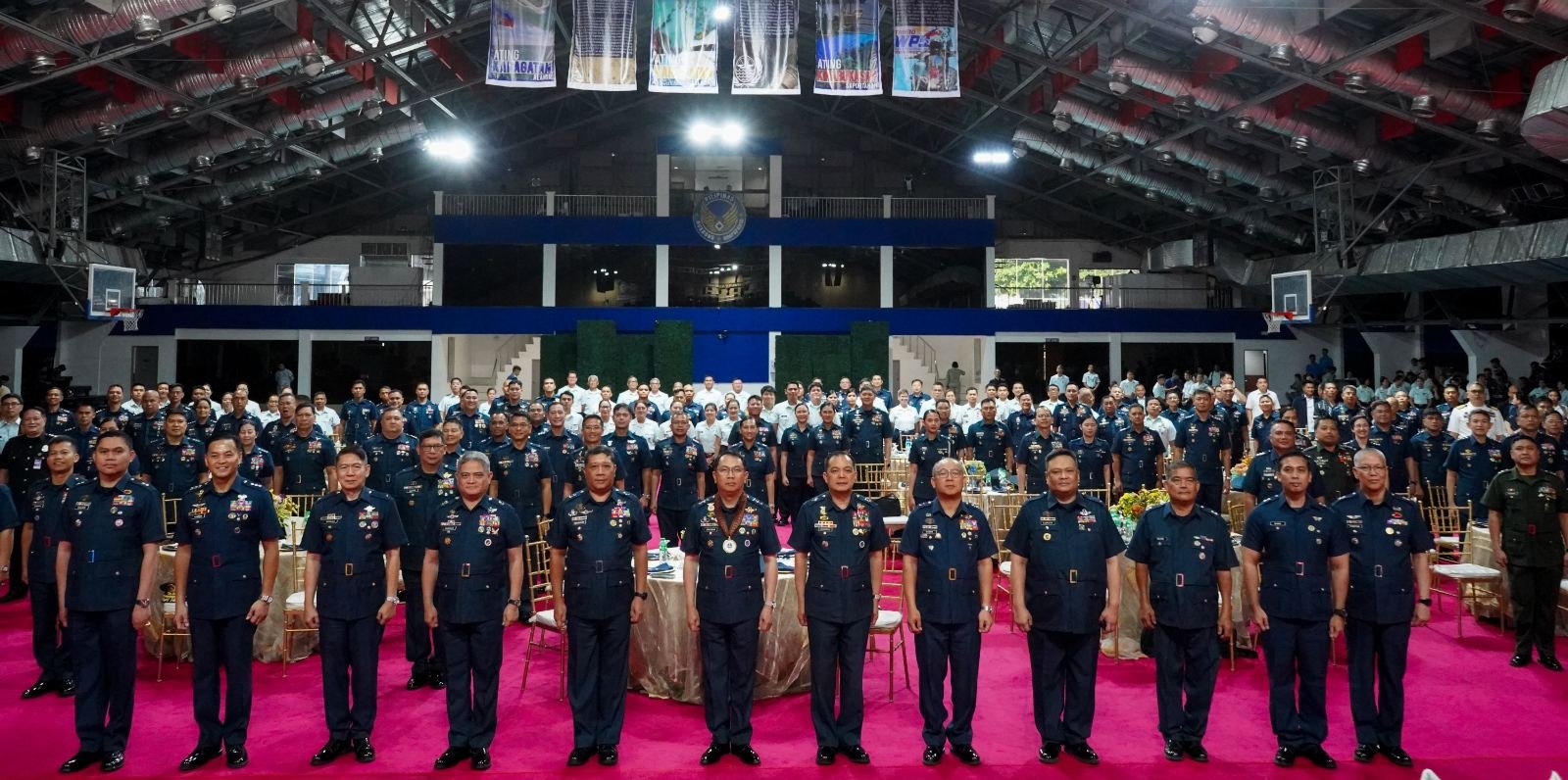
PASAY CITY, Philippines — In a sweeping move aimed at strengthening the country’s reserve airpower capability, the Philippine Air Force carried out a simultaneous deactivation and activation of seven reserve units on Friday, marking a significant reorganization designed to enhance operational readiness across the archipelago.
The ceremony, held at Colonel Jesus Villamor Air Base in Pasay City on March 6, brought together senior military leaders, reserve officers, and personnel for a symbolic transition that defense officials say will modernize the structure of the Air Force Reserve Command and better align it with the evolving demands of national defense.
The event was presided over by Lieutenant General Arthur M. Cordura, commanding general of the Philippine Air Force, with Major General Ronie D. Petinglay, commander of the Air Force Reserve Command, overseeing the implementation of the restructuring.
During the ceremony, the Air Force formally deactivated seven existing reserve formations known collectively as the Air Force Wing Reserves — units that had long served as the backbone of the service’s reserve structure.
The units deactivated were the 1st, 2nd, 3rd, 4th, 5th, 6th, and 7th Air Force Wing Reserves.
Military officials said the move was part of a broader effort to streamline the organization of reserve forces and create a more mission-focused structure capable of responding to contemporary operational requirements.
In their place, the Air Force activated seven newly organized reserve units with geographic and operational designations intended to better mirror the country’s strategic defense layout.
The newly activated units are the Air Base Wing (Reserve); Tactical Operations Wing (Reserve)–Northern Luzon; Tactical Operations Wing (Reserve)–Southern Luzon; Tactical Operations Wing (Reserve)–West; Tactical Operations Wing (Reserve)–Central; Tactical Operations Wing (Reserve)–Western Mindanao; and Tactical Operations Wing (Reserve)–Eastern Mindanao.
The ceremony followed longstanding military traditions meant to signify the transition of command structures. Air Force wing commanders joined Lieutenant General Cordura and Major General Petinglay in the ceremonial furling and casing of the unit colors of the deactivated formations — a ritual symbolizing the formal end of a unit’s operational life.
Moments later, the ceremony proceeded with the uncasing of new unit colors, marking the official birth and activation of the newly structured reserve units.
The symbolism was not lost on the officers and reservists in attendance.
Military leaders said the reorganization reflects the Philippine Air Force’s continued effort to modernize not only its aircraft and equipment but also its human resource structure — particularly the role of reservists in national defense.
In recent years, the Philippine military has increasingly emphasized the strategic importance of reserve forces, recognizing their ability to augment regular units during emergencies, natural disasters, and national security contingencies.
The Philippines, an archipelagic nation prone to both natural calamities and regional security challenges, has long relied on reservists to expand the Armed Forces’ capacity during critical periods.
Reserve units have historically played key roles in humanitarian assistance operations following typhoons, earthquakes, and volcanic eruptions — disasters that regularly test the country’s emergency response infrastructure.
Lieutenant General Cordura, in his remarks during the ceremony, underscored the significance of the restructuring in strengthening the Air Force’s ability to carry out its mission.
He noted that the reorganization is intended to enhance the service’s operational flexibility while ensuring that reserve units remain capable of supporting the Air Force’s primary mandate: safeguarding the nation’s airspace and assisting in national development efforts.
“The reserve force remains a vital component of the Philippine Air Force,” Cordura said in his address. “Their dedication and readiness significantly contribute to our ability to respond to the nation’s defense requirements and serve the Filipino people.”
The restructuring also reflects broader institutional reforms underway within the Armed Forces of the Philippines as it continues to modernize its operational doctrines and command structures.
Defense planners have increasingly emphasized the integration of reserve and active forces, ensuring that reservists can seamlessly augment regular units during joint operations.
By reorganizing reserve formations into tactical operations wings aligned with geographic regions, the Air Force aims to improve coordination with frontline air units stationed across the country.
Military analysts say the change may also strengthen the reserve force’s capacity to support missions ranging from territorial defense to disaster response and humanitarian operations.
The Philippines has been steadily expanding its defense capabilities amid rising regional security concerns and the growing complexity of disaster response requirements in Southeast Asia.
At the same time, military leaders have sought to strengthen the role of citizen-soldiers — reservists who maintain civilian careers while remaining ready to serve when called upon.
For many reservists, Friday’s ceremony represented both a farewell and a beginning.
The furling of long-standing unit colors signified the closing chapter of traditional reserve formations that had served the Air Force for decades. Yet the uncasing of new colors symbolized a renewed commitment to adapt the reserve force to the realities of modern defense.
As the ceremony concluded at Villamor Air Base, the message from Air Force leadership was clear: the transformation of the reserve structure is not merely administrative.
It is a step toward building a more agile and responsive air force — one that relies not only on advanced aircraft and technology but also on the dedication of Filipino reservists prepared to serve whenever the nation calls.
Photo: AFP
Stay informed — get Negros Oriental news weekly
Free newsletter, no spam. Unsubscribe anytime.
