
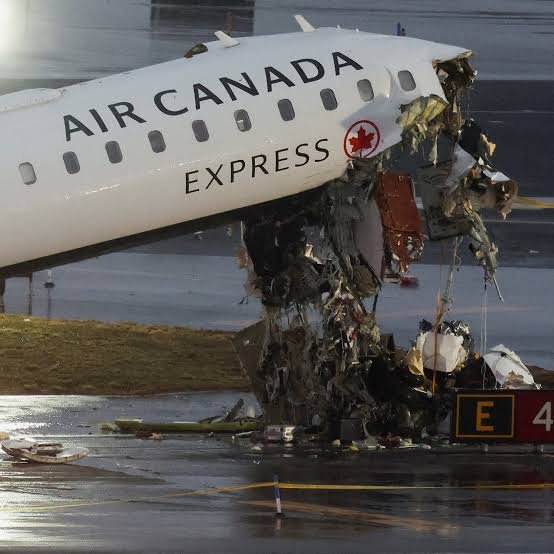
New York, USA – A devastating runway collision at LaGuardia Airport in New York has sent shockwaves through the aviation community, raising serious questions about airport safety protocols and emergency response. The incident, involving an Air Canada Express flight and a fire truck, resulted in the deaths of both pilots of the aircraft and left numerous passengers with injuries. The news has sparked concern among Filipino travelers, highlighting the need for vigilance and awareness regarding international aviation safety standards.
The incident occurred on [Insert Actual Date Here] when the Air Canada Express flight, operating on behalf of Air Canada, was landing at LaGuardia Airport. During the landing sequence, the aircraft collided with a fire truck that was present on the runway. The circumstances leading to the collision are currently under intensive investigation by the National Transportation Safety Board (NTSB) in the United States. Initial reports suggest that visibility may have been a factor, although investigators are exploring all potential causes, including communication breakdowns between air traffic control and ground personnel, as well as potential equipment malfunctions.
The two pilots of the Air Canada Express flight were pronounced dead at the scene. Dozens of passengers sustained injuries ranging from minor cuts and bruises to more serious fractures. Emergency responders were immediately dispatched to the scene to provide medical assistance and evacuate passengers from the aircraft. The injured were transported to nearby hospitals for treatment.
The incident has understandably raised concerns among Filipinos who frequently travel internationally. LaGuardia Airport is a major hub for flights connecting to destinations around the world, and the news of this collision is a stark reminder of the potential risks associated with air travel, despite its overall safety record. The incident emphasizes the importance of robust safety regulations, well-trained personnel, and effective communication systems at airports worldwide.
Implications for Filipino Travelers: A Call for Vigilance
While air travel remains statistically one of the safest modes of transportation, incidents like the LaGuardia runway collision serve as a crucial reminder of the need for continuous improvement in aviation safety practices. For Filipino travelers, particularly those from Negros Oriental and the Visayas region who often rely on international flights for work, leisure, or visiting family, the incident underscores several key considerations:
- Awareness of Airport Safety Protocols: Familiarize yourself with the safety procedures in place at the airports you transit through. This includes knowing the location of emergency exits, understanding the safety briefing provided by the flight crew, and being aware of potential hazards on the tarmac.
- Importance of Following Flight Crew Instructions: Always pay close attention to the instructions given by the flight crew, both before takeoff and during the flight. Their directions are crucial for ensuring passenger safety, especially in emergency situations.
- Travel Insurance: Ensure you have comprehensive travel insurance that covers potential medical expenses and other unforeseen circumstances, including accidents. Review the policy details carefully to understand the extent of coverage.
- Staying Informed: Stay updated on travel advisories and safety alerts issued by relevant authorities, such as the Philippine Department of Foreign Affairs (DFA) and the Civil Aviation Authority of the Philippines (CAAP).
- Airline Safety Records: While not always a definitive indicator, researching the safety records of airlines you are considering flying with can provide valuable insights. Websites like AirlineRatings.com offer ratings based on safety audits and accident history.
The Ongoing Investigation and Its Potential Impact
The NTSB’s investigation into the LaGuardia runway collision is expected to be thorough and comprehensive. Investigators will examine all aspects of the incident, including the actions of the pilots, the air traffic controllers, and the fire truck operators. They will also analyze weather conditions, equipment performance, and airport procedures. The findings of the investigation are likely to result in recommendations for improving aviation safety practices, not just at LaGuardia Airport, but at airports worldwide.
These recommendations could include changes to air traffic control procedures, enhanced training for airport emergency responders, improvements in runway visibility aids, and revisions to aircraft landing protocols. The implementation of these recommendations could have a significant impact on the future of air travel, potentially leading to increased safety measures and stricter regulations.
The Role of CAAP and International Aviation Standards
The Civil Aviation Authority of the Philippines (CAAP) plays a critical role in ensuring the safety of air travel for Filipino citizens. CAAP is responsible for regulating and overseeing all aspects of civil aviation in the Philippines, including the licensing of pilots and aircraft, the certification of airports, and the enforcement of safety regulations. CAAP also works closely with international aviation organizations, such as the International Civil Aviation Organization (ICAO), to ensure that the Philippines adheres to global safety standards.
The LaGuardia incident highlights the importance of CAAP’s continued efforts to maintain high safety standards in the Philippines and to advocate for improved safety measures globally. As Filipino travelers increasingly rely on international flights, it is essential that CAAP remains vigilant in its oversight of aviation safety and actively participates in international efforts to prevent future accidents.
A Moment for Reflection and Renewed Commitment to Safety
The tragic runway collision at LaGuardia Airport is a somber reminder of the inherent risks associated with air travel. While the aviation industry has made significant strides in improving safety over the years, incidents like this demonstrate that there is always room for improvement. As the investigation unfolds and the causes of the collision are determined, it is crucial that the aviation community, including regulators, airlines, and airport operators, work together to implement the necessary changes to prevent similar tragedies from occurring in the future.
For Filipino travelers, the incident serves as a call for vigilance and a reminder to prioritize safety when making travel plans. By staying informed, following safety instructions, and advocating for improved safety measures, Filipino travelers can contribute to a safer and more secure aviation environment for everyone.
Stay informed — get Negros Oriental news weekly
Free newsletter, no spam. Unsubscribe anytime.