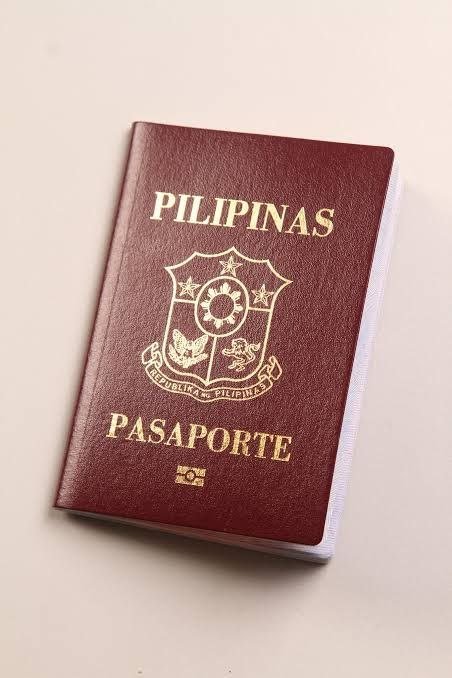
MANILA, Philippines — The Department of Foreign Affairs has announced that passport applicants must now wait up to 15 working days for new documents, as ongoing conflicts in the Middle East continue to disrupt critical supply chains needed for passport production.
The extended processing period, announced Wednesday, April 8, represents a significant increase from the typical 10-12 working day standard and affects all applications submitted since late March.
DFA officials stated the delays will remain “until further notice” as the department works to resolve supply chain bottlenecks that have impacted electronic passport printing operations across the country.
Stay informed with our free weekly newsletter. No spam, unsubscribe anytime.
Late March Applications Face Longest Delays
Citizens who submitted passport applications during March’s final week are experiencing the most severe processing delays, according to the official DFA advisory released this week.
The department has not disclosed the exact number of affected applicants but confirmed that thousands of Filipinos seeking new passports will face the extended waiting period.
Electronic passport printing relies on sophisticated security materials and specialized equipment, components that appear to be sourced from regions currently experiencing conflict-related disruptions.
Third-Party Printing Services Disrupted
The DFA confirmed it is working closely with external service providers responsible for electronic passport production to minimize delays and restore standard processing schedules.
Officials have not specified which aspects of the Middle East crisis triggered the supply disruption, nor have they identified the particular materials or equipment affected by the international shipping delays.
The timing proves particularly challenging as it coincides with Holy Week travel preparations, when many Filipino families traditionally apply for or renew travel documents ahead of summer overseas trips.
Emergency Processing Options Still Available
Citizens requiring urgent travel documentation can still access emergency passport services despite the general processing delays affecting regular applications.
The DFA maintains dedicated email channels for urgent cases: passportconcerns@dfa.gov.ph and oca.concerns@dfa.gov.ph for citizens needing immediate assistance.
The Office of Consular Affairs, headquartered at ASEANA Business Park in Parañaque City, continues operating its telephone hotline at (02) 8651-9400 for passport inquiries and emergency consultation services.
Nationwide Impact on Processing Centers
All DFA passport facilities across the Philippines are experiencing the same supply chain-related delays, including regional offices that primarily serve overseas Filipino workers and their dependents.
Consular satellite offices and regional processing centers have received instructions to notify applicants about extended timelines and provide contact information for emergency travel document needs.
Both new passport applications and renewal requests face the same 15-day processing period, though emergency replacement services for stolen or damaged documents may receive expedited handling.
Documentation Standards Remain Unchanged
Despite the processing delays, the DFA emphasized that application requirements have not changed during the current supply chain disruption.
Applicants must still provide PSA-issued birth certificates, valid government identification, and properly completed application forms, with additional documentation required for naturalized citizens or those reclaiming Filipino nationality.
The department strongly advises ensuring all required paperwork is complete and properly authenticated to prevent additional delays beyond the current 15-day timeline.
Global Supply Chain Dependencies Exposed
The current disruption highlights the Philippines’ reliance on international suppliers for critical government document production, demonstrating how distant geopolitical events can affect domestic administrative services.
Modern electronic passport systems require specialized security features and materials that often involve complex international supply networks, creating vulnerabilities when global crises interrupt normal shipping and manufacturing operations.
The Middle East conflict’s impact on Philippine passport services illustrates how interconnected contemporary supply chains can transmit disruptions across continents, affecting essential government functions far from the original crisis zones.
Coordination Efforts Continue
DFA officials indicated that active coordination with printing service providers remains ongoing, though no specific timeline has been established for returning to normal processing schedules.
The department’s electronic passport infrastructure, designed to enhance security and prevent counterfeiting, depends on specialized equipment and materials that may face continued availability challenges while international supply disruptions persist.
Citizens planning international travel are encouraged to apply for passports well in advance of their departure dates and to contact the DFA through official channels if emergency processing becomes necessary.
The department continues monitoring the supply chain situation and will provide updates as coordination efforts with international providers progress toward resolving the current delays affecting passport production nationwide.
Stay informed — get Negros Oriental news weekly
Free newsletter, no spam. Unsubscribe anytime.

- 01
- 02
- 03
- 04