
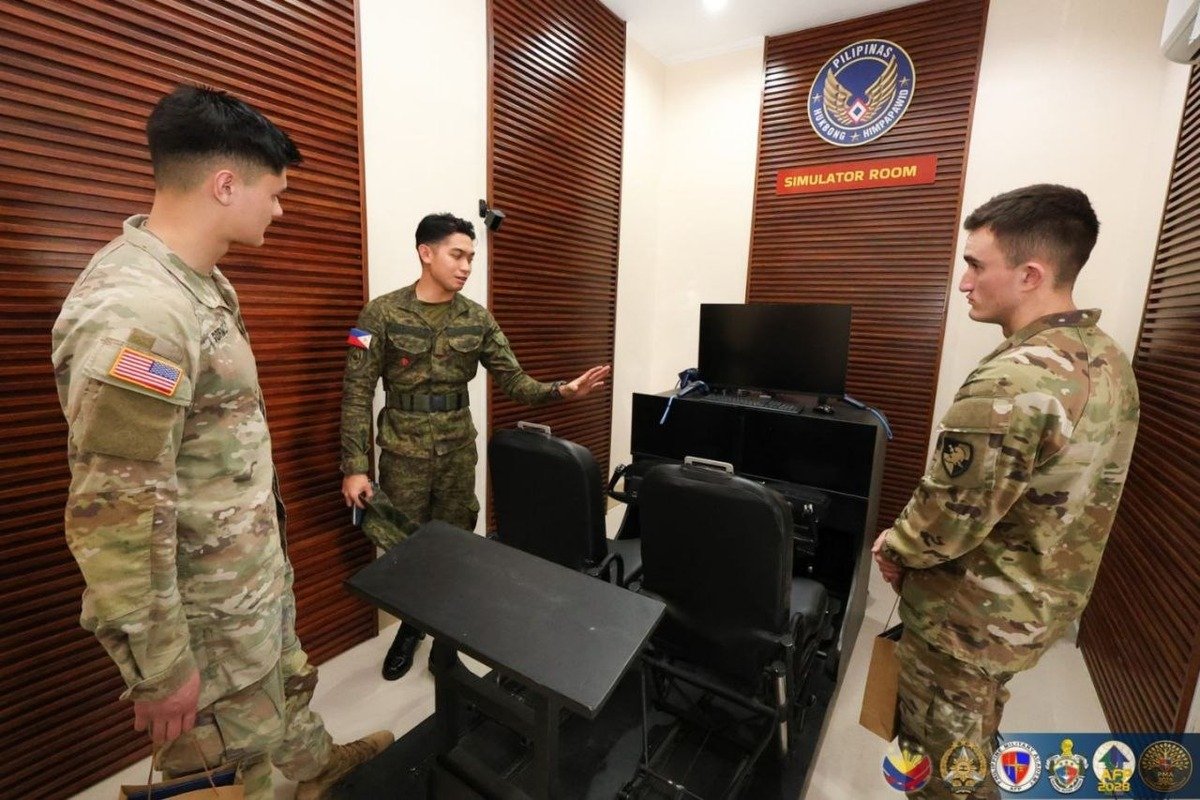
BAGUIO CITY — A pair of West Point cadets concluded their intensive four-day educational exchange at the Philippine Military Academy this week, marking another successful chapter in the ongoing Foreign Academy Exchange Program designed to foster international military cooperation and cross-cultural understanding between March 30 and April 3, 2026.
Academy leadership emphasized that the initiative represents a cornerstone of efforts to build stronger professional relationships, deepen cultural appreciation, and establish frameworks for enhanced collaboration between the two prestigious military institutions.
Elite Unit Exposure and Training Integration
The American cadets’ program began with specialized exposure to the First Scout Ranger Regiment (FSSR) under the Special Operations Command, Philippine Army, before proceeding to the main academy campus. This initial engagement offered the West Point visitors direct insight into the capabilities and operations of Philippine elite military formations.
Stay informed with our free weekly newsletter. No spam, unsubscribe anytime.
During the Scout Ranger facility engagement, the visiting cadets encountered PMA Second Class Army cadets participating in the Scout Ranger Orientation Course, which forms a critical component of their Leadership Development Course curriculum. This meeting created valuable opportunities for comparative discussions on military training philosophies, leadership development strategies, and professional service dedication.
The comprehensive facility examination provided the American visitors with detailed understanding of specialized Philippine Army training protocols and operational readiness programs. Exchange participants focused particularly on analyzing different training methodologies and examining operational challenges encountered by military personnel across diverse environments and contexts.
Professional Development Through Academy Integration
The program’s second phase centered on intensive interactions with Cadet Corps Armed Forces of the Philippines members at the primary PMA facility. These carefully structured engagements emphasized professional discourse, reciprocal learning experiences, and the development of lasting bonds between future military leaders representing both nations.
Participants engaged in detailed examinations of their respective military educational frameworks, conducted comparative analyses of leadership cultivation approaches, and explored contemporary challenges facing modern military service members. PMA officials stressed that such collaborative programs prove essential for nurturing internationally-aware military leadership.
Program components included academic discussions, joint training exercise observations, and casual interactions that enabled American cadets to comprehend Philippine military educational methodologies while contributing their own West Point institutional knowledge and experience.
Regional Heritage and Community Engagement
The exchange initiative incorporated guided explorations of significant cultural and historical locations throughout Baguio City and La Union province. These educational excursions aimed to provide visiting cadets with comprehensive appreciation for Philippine local traditions, community structures, and geographical diversity.
Military educators recognize that successful international cooperation demands not only professional military expertise but also cultural sensitivity and awareness. The historical site visits enabled American participants to better understand the operational context surrounding Philippine military service and national defense responsibilities.
Community engagement activities formed another crucial program element, exposing West Point cadets to renowned Filipino hospitality while offering practical insights into civilian-military relationship dynamics within Philippine society. Such experiences contribute significantly to developing comprehensive military officers prepared for effective international service.
Leadership Emphasis on Exchange Benefits
Program activities culminated in a formal luncheon ceremony hosted by academy leadership for the visiting American delegation, with Colonel Eugene Henry Z. Cabusao (MNSA) PA, Assistant Commandant of Cadets, serving as primary host. Colonel Cabusao’s closing remarks emphasized the substantial benefits derived from continuous exchange programs in fostering mutual respect, operational compatibility, and intercultural comprehension among developing officers.
The colonel stressed that such collaborative initiatives directly support bilateral defense relationship strengthening while preparing military leaders for increasingly sophisticated international security challenges. He observed that these exchanges help cultivate officers who recognize the critical importance of multinational cooperation in addressing both regional and global security threats.
Colonel Cabusao’s observations highlighted how individual cadet participation contributes to broader institutional partnerships between military academies and extends to comprehensive relationships between national armed forces.
Strategic Defense Partnership Framework
PMA officials indicated that the West Point cadet visit exemplifies the academy’s contribution to wider Armed Forces of the Philippines initiatives aimed at strengthening security cooperation with allied nations. The exchange program operates within established defense partnerships and mutual security frameworks linking Philippine and American military institutions.
These activities reinforce PMA’s mission of preparing future military leaders who demonstrate professional competence, cultural awareness, and adaptability to contemporary security environment demands. Such preparation proves crucial as military challenges increasingly require international cooperation and mutual understanding.
The Foreign Academy Exchange Program reflects enduring institutional commitment to developing military leaders capable of effective multinational operations and diplomatic engagement, with regular exchanges forming part of sustained military education cooperation between both countries.
Developing Tomorrow’s International Military Leaders
The successful program completion demonstrates both military academies’ continued dedication to cultivating globally competent military leadership. Participating cadets gained invaluable exposure to diverse military cultures, alternative training approaches, and varied operational methodologies.
Academy administrators noted that such exchanges frequently generate enduring professional relationships that prove beneficial throughout entire military careers. Cultural understanding and professional networks established during these programs enhance international military cooperation effectiveness for years following initial participation.
The program’s dual emphasis on professional military education and cultural awareness reflects contemporary military leadership requirements, where officers must demonstrate readiness for effective performance in international and multinational environments throughout their service careers.
Photo credit: Photo courtesy of Philippine Military Academy
Stay informed — get Negros Oriental news weekly
Free newsletter, no spam. Unsubscribe anytime.

- 01
- 02
- 03
- 04