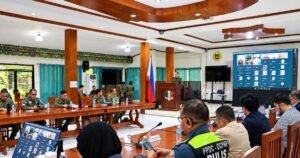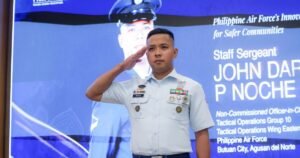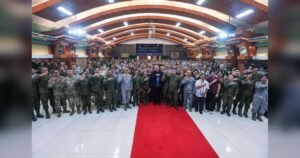
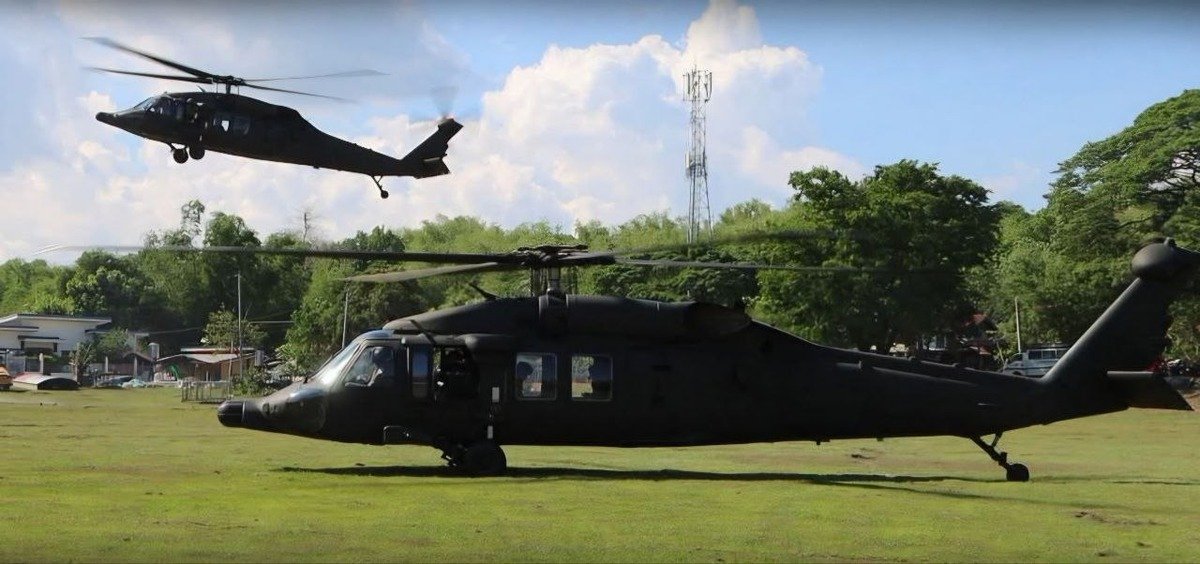
A sweeping multi-agency crisis simulation unfolded in Barangay Kirayan Takas, Miag-ao, Iloilo on June 16, 2026, as national military forces, law enforcement units, fire protection teams, medical responders, and local government officials converged to rehearse a coordinated reaction to a simulated missile strike on a military installation and surrounding civilian communities.
The exercise, formally designated as the Inter-Agency Territorial Defense Operations Exercise (ITDOEx) “Pag-ugyon 2026,” was staged within a comprehensive simulation framework designed to push participating agencies to their operational limits — testing not just individual unit readiness, but the broader capacity of the Philippine government to function as a unified response mechanism under extreme territorial defense conditions.
What ITDOEx “Pag-ugyon 2026” Was Designed to Achieve
The Philippine Army clarified that the exercise represented a purely simulated scenario with no connection to any actual or imminent security threat. Rather, the drill was structured to systematically evaluate and strengthen the readiness, coordination, interoperability, and crisis response capabilities of all government agencies and stakeholders involved in managing emergencies arising from territorial defense situations.
ITDOEx functions as a national-level evaluation mechanism for assessing the Philippine government’s collective capacity to handle high-intensity territorial threats and their cascading effects on civilian populations. The 2026 iteration, dubbed “Pag-ugyon,” brought together participants from across multiple government branches and levels — from national military assets down to municipal disaster councils — in a unified exercise structure.
According to the Philippine Army, all participating agencies were assessed against four core response functions: search and rescue operations, emergency medical assistance, fire suppression, and large-scale coordinated response management. Every unit was expected to execute its designated contingency plan while maintaining continuous communication with all other participating organizations.
Simulated Missile Strike Creates Cascading Emergency Conditions
The heart of the exercise was the Missile Attack Response Scenario, which depicted a hostile missile strike hitting a military camp in Miag-ao, Iloilo and triggering a cascade of secondary emergencies across surrounding communities. The simulated aftermath included widespread structural destruction, multiple fire outbreaks, mass civilian casualties, and large-scale displacement — deliberately designed to overwhelm single-agency response capacity and force genuine inter-agency coordination.
The Philippine Army noted that the deliberate complexity of the scenario was intentional, meant to stress-test how well agencies could maintain their respective protocols, sustain internal coordination, and adapt to rapidly shifting conditions in a dynamic environment. Rather than a straightforward drill with predictable outcomes, the scenario demanded that agencies make real-time decisions across several simultaneous operational fronts.
Military Units Secured the Camp Perimeter While Coordinating With Civilian Responders
In the immediate aftermath of the simulated strike, military personnel adopted defensive postures throughout the affected installation. The Philippine Army reported that soldiers conducted perimeter patrols, activated force protection measures, and established secured positions around the camp to guard against further simulated hostile action.
A particularly demanding aspect of the military component was the requirement to simultaneously manage active camp security while facilitating the unhindered movement of civilian emergency responders operating within and around the installation perimeter. This dual mandate — preserving a security envelope while enabling humanitarian and medical access — directly mirrors the layered demands that armed forces face during real-world territorial defense emergencies with significant civilian impact.
The Philippine Army confirmed that all military units adhered to established protocols throughout the exercise while demonstrating the operational flexibility necessary to respond to the scenario’s evolving conditions.
Medical Teams and Fire Personnel Tackled Mass Casualties and Active Fires
Deployed alongside military units, medical response teams took on the task of casualty management — rapidly establishing treatment areas, triaging simulated victims by injury severity, administering immediate care, and coordinating patient transport to medical facilities. The medical component tested responders’ ability to function at scale under simulated emergency pressure, where demand for care significantly outpaced available resources.
The Bureau of Fire Protection (BFP) served a multifaceted role in the exercise, with BFP personnel engaged in fire suppression, victim extraction from collapsed or burning structures, administration of first aid, and safe patient transport coordination. The BFP’s participation illustrated how fire protection agencies in large-scale emergencies extend well beyond their core firefighting function into search and rescue and emergency medical support roles.
Together, the medical and BFP components of ITDOEx “Pag-ugyon 2026” reflected the complex, multi-disciplinary demands of responding to mass casualty events in which fires, injuries, structural collapse, and civilian displacement occur simultaneously across a wide geographic area.
Iloilo Province and Miag-ao Municipality Activated Emergency Operations Centers
At the local government level, both the Provincial Government of Iloilo and the Municipality of Miag-ao activated their respective Emergency Operations Centers (EOCs) as part of the exercise. Operating through their Disaster Risk Reduction and Management Councils (DRRMCs), both local government units implemented emergency response protocols, directed evacuation procedures, and oversaw temporary shelter operations for civilians displaced by the simulated strike.
Beyond evacuation management, both LGUs coordinated mass casualty triage activities and maintained continuous situation reporting and interagency communication throughout the exercise. Their activated EOCs served as coordination hubs linking civilian emergency management functions with the military and security operations being conducted simultaneously in the field.
The inclusion of both provincial and municipal governance structures in the exercise underscored the multi-level integration that ITDOEx is designed to test — ensuring that national military assets, regional government offices, and local civilian authorities can operate within a single, coherent response framework rather than in parallel silos.
PNP Managed Traffic and Crowd Control to Keep Emergency Routes Open
The Philippine National Police (PNP) was tasked with traffic management and crowd control across areas affected by the simulated missile strike. According to the Philippine Army’s account of the exercise, PNP units ensured orderly vehicle movement in and around the affected zone, maintaining clear corridors for emergency vehicles and preventing civilian obstruction of active rescue and response routes.
In mass casualty events, maintaining unobstructed access for emergency vehicles and personnel is widely regarded as a critical operational requirement — one that directly determines how quickly medical care reaches victims and how efficiently rescue operations can proceed. The PNP’s role in Pag-ugyon 2026 reflected the force’s essential function not merely as a security provider, but as a logistics enabler that keeps the overall emergency response system functioning.
The police force’s participation reinforced a broader principle embedded in the ITDOEx framework: that law enforcement agencies in territorial defense scenarios carry responsibilities that extend well into civilian safety management, evacuation support, and emergency logistics, beyond conventional policing functions.
Exercise Reinforces Value of Multi-Agency Preparedness
ITDOEx “Pag-ugyon 2026” ultimately demonstrated the Philippine government’s commitment to building genuine interoperability across its defense, law enforcement, emergency management, and local governance institutions. By placing all participating agencies within a shared, high-pressure simulation environment, the exercise generated direct practical insight into coordination strengths and gaps that cannot be identified through tabletop planning alone.
The Philippine Army emphasized that the findings and lessons generated from Pag-ugyon 2026 are intended to inform improvements in contingency planning, agency coordination protocols, and collective response readiness — contributing to a more capable and cohesive national defense posture for the challenges that territorial security scenarios may present.
Originally reported by: Philippine Army / wire reports