
Military aircraft from the Philippines and United States took to the skies together on April 8, 2026, marking a significant demonstration of bilateral defense cooperation during the Cope Thunder Philippines 26-1 exercise conducted at Floridablanca’s Basa Air Base in Pampanga province.
The aerial demonstration brought together Filipino FA-50PH Fighting Eagle jets and American F-22 Raptor stealth aircraft in coordinated formation flights, representing a tangible display of the growing operational integration between the Philippine Air Force and United States Pacific Air Forces.
Media representatives were invited to witness the joint aerial operations, emphasizing the transparent nature of the military partnership and the strategic importance both nations place on their defense relationship, according to Philippine Air Force News reports.
Stay informed with our free weekly newsletter. No spam, unsubscribe anytime.
Strengthening Indo-Pacific Alliance Framework
These collaborative flight missions highlight the deepening strategic partnership between PAF and PACAF forces, aimed at improving joint operational capabilities and military readiness through continuous training partnerships. The exercise demonstrates both countries’ dedication to preserving regional stability and security across the Indo-Pacific theater.
This cooperation directly supports the Philippine Air Force’s strategic vision of developing a mission-focused, capability-enhanced, and values-driven organization equipped to handle modern regional security threats effectively.
Korea Aerospace Industries produces the FA-50PH Fighting Eagle aircraft, which exemplifies the Philippines’ ongoing military modernization initiatives. These versatile aircraft function as both advanced pilot training platforms and light combat aircraft, effectively connecting basic flight training with sophisticated fighter jet operations.
Ground Forces Engage in Salaknib Training Operations
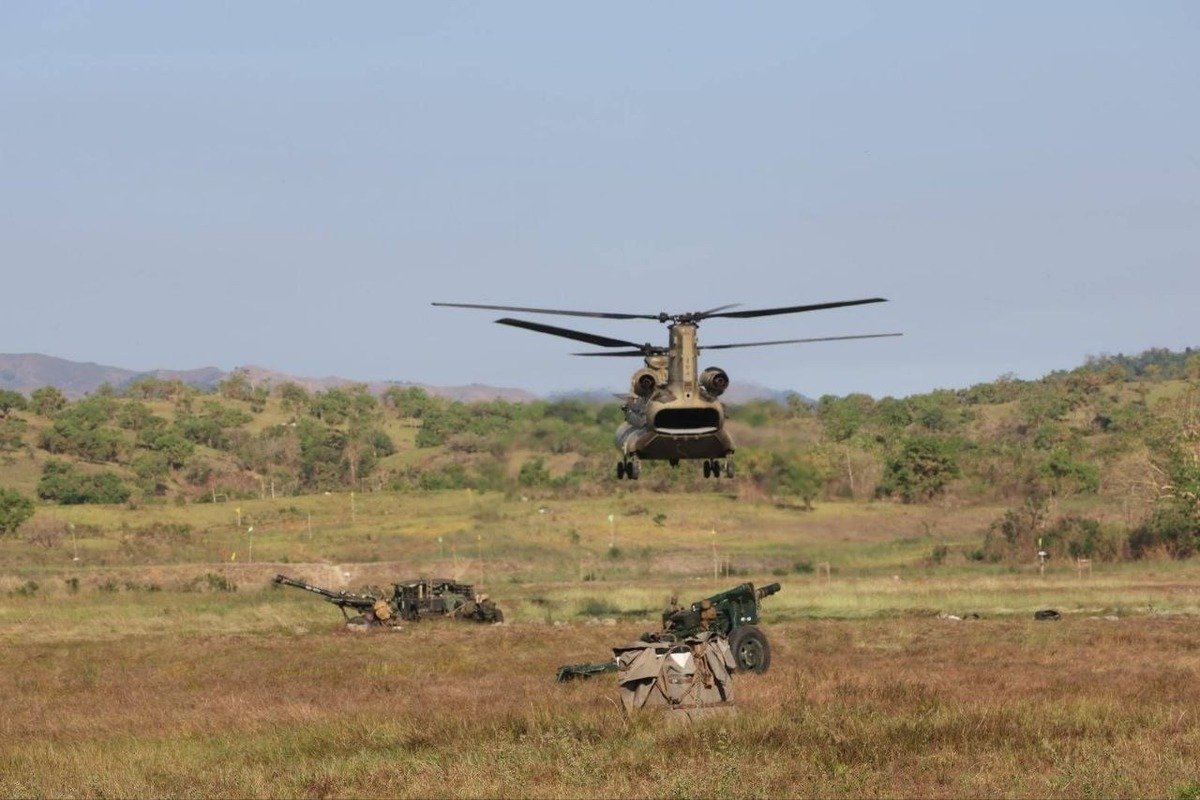
While aerial operations captured attention overhead, Philippine Army units and US Army Pacific forces simultaneously engaged in intensive ground training exercises under the Salaknib Phase 1 program at Nueva Ecija’s Fort Magsaysay, illustrating the multi-domain scope of bilateral military cooperation.
These ground-based training activities encompassed specialized sling-load procedures and anti-armor combat drills, specifically designed to boost operational effectiveness and seamless integration between participating forces. The anti-armor training emphasized target engagement methodologies and weapons system coordination, allowing personnel from both militaries to sharpen their target identification and engagement capabilities.
Military officials reported that the training exercises strengthened proper weapons safety protocols and firing range procedures while enhancing tactical cooperation between Philippine Army soldiers and their US Army Pacific 25th Infantry Division counterparts.
Helicopter Logistics and Transport Training
The specialized sling-load training involved securing artillery equipment, military vehicles, and logistics supplies to all-terrain Chinook helicopters using advanced rigging systems, specialized cargo nets, and dedicated transport equipment. This critical capability allows military forces to bypass geographical barriers that might otherwise prevent ground transportation from reaching designated locations efficiently.
These helicopter transport techniques prove invaluable when accessing isolated locations where traditional convoy movements become impractical or unfeasible due to challenging terrain conditions or operational security requirements.
Defense officials stressed that these airlift capabilities remain crucial for swift deployment and logistics support missions in demanding operational environments, significantly enhancing ground force mobility and mission effectiveness across diverse scenarios.
Building Combined Military Capabilities
The yearly Exercise Salaknib addresses several strategic priorities, including developing enhanced combined combat capabilities for participating ground forces, improving military interoperability standards between both armed forces, and strengthening collective capacity to address evolving regional security threats.
These training activities support comprehensive regional security goals focused on maintaining maritime freedom and openness across the Indo-Pacific region, responding to increasing security challenges and geopolitical pressures affecting Southeast Asia’s critical maritime corridors and territorial disputes.
Defense experts observe that such joint military exercises reflect the Philippines’ commitment to its American alliance while simultaneously developing domestic defense capabilities through technology sharing and tactical expertise exchange programs.
Military Modernization and Preparedness Initiatives
The involvement of FA-50PH aircraft in combined operations alongside sophisticated F-22 Raptor fighters marks substantial advancement in the Philippine armed forces’ modernization strategy. These exercises offer invaluable training experiences for Filipino aviators to work alongside state-of-the-art military aviation technology.
The combined training programs also establish standardized operational procedures and communication systems between allied military units, guaranteeing effective coordination during potential future joint missions or emergency response operations.
Defense leadership emphasizes that these training exercises build essential institutional expertise and operational experience that will support the Philippine military’s sustained development and strategic defense capabilities.
Strategic Security Considerations
The scheduling and comprehensive nature of both Cope Thunder Philippines 26-1 and Salaknib 2026 exercises underscore the growing significance of Philippines-US defense cooperation in confronting regional security challenges. These military exercises showcase both countries’ dedication to preserving stability across strategically vital shipping routes and territorial waters.
The joint military operations also provide a clear demonstration of alliance strength, communicating definitive messages regarding the partnership’s durability and mutual commitment to regional peace and security maintenance.
Defense cooperation between the Philippines and United States continues advancing through incorporation of emerging technologies, modern tactical approaches, and updated strategic frameworks to address current security challenges while preserving Philippine sovereignty and constitutional obligations.
Photo credit: Photo courtesy of CMOR, PA and US Army DVIDS
Stay informed — get Negros Oriental news weekly
Free newsletter, no spam. Unsubscribe anytime.

- 01
- 02
- 03
- 04