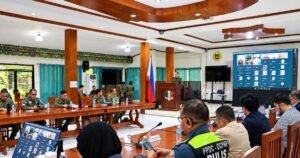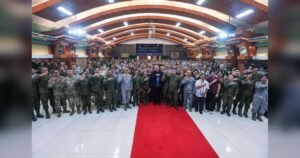
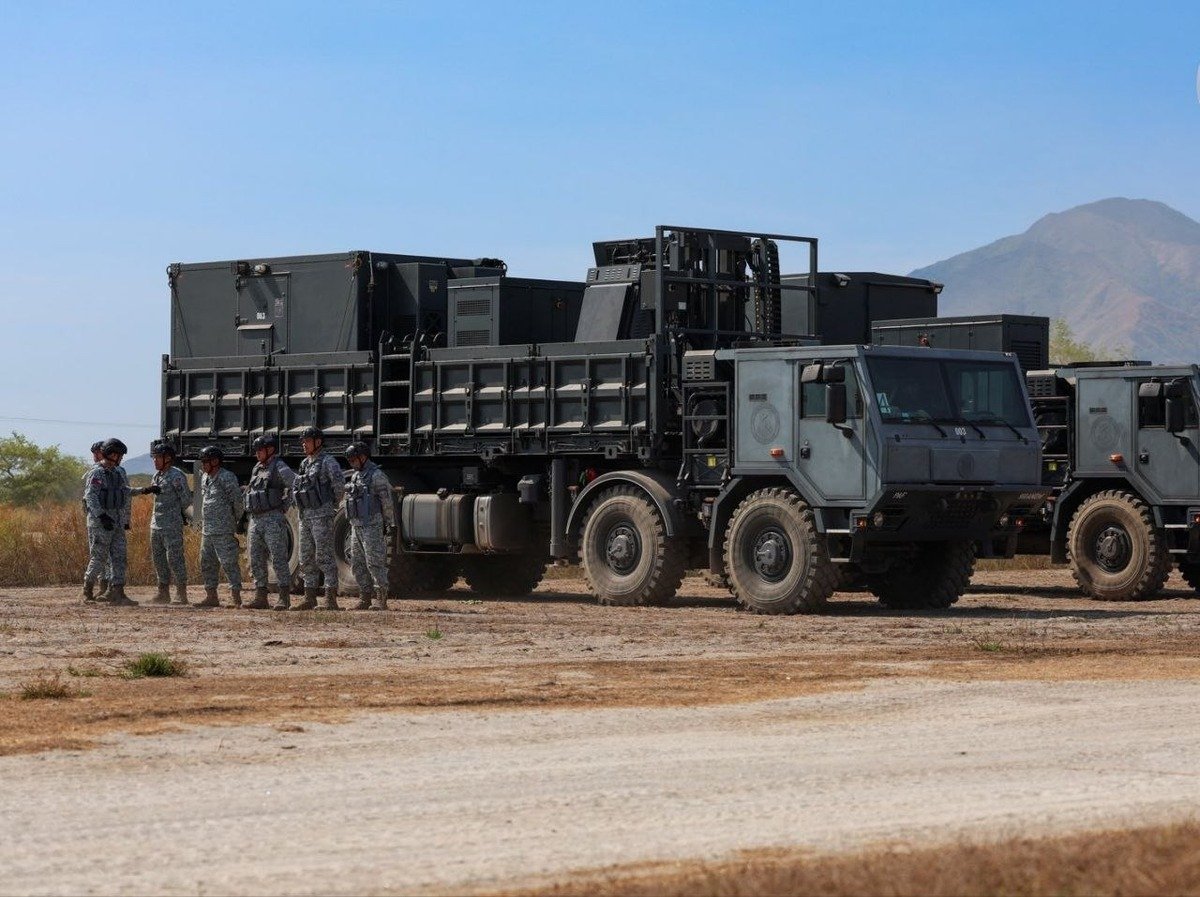
Military units from the Philippines and United States have wrapped up an intensive four-day Integrated Air and Missile Defense (IAMD) training exercise at Naval Station Leovigildo Gantioqui in San Antonio, Zambales, conducted from April 26-29 as part of Exercise Balikatan 41-2026.
The joint training program highlighted sophisticated air defense coordination between Philippine and American forces, featuring integrated systems designed to counter various aerial threats through combined detection, tracking, and engagement protocols.
Sophisticated Defense Technology Display
The exercise showcased cutting-edge counter-unmanned aerial systems (c-UAS) technologies, addressing the growing significance of anti-drone capabilities in contemporary military operations. Training scenarios encompassed both individual drone threats and complex swarm attack simulations, reflecting evolving aerial warfare challenges.
Modern drone defense integration with conventional air defense platforms demonstrated military adaptation to technological proliferation in civilian and defense sectors. The c-UAS focus underscored military preparedness for both traditional and unconventional security threats in current operational environments.
Real-time data processing from advanced radar installations facilitated immediate tactical response coordination across the exercise area. This streamlined intelligence flow supported rapid target engagement through the Philippine Air Force’s SPYDER Air Defense System, operating alongside sophisticated American military equipment.
Elite Defense Units Collaborate
The training featured specialized air defense personnel from both militaries, including the Philippine military’s 3rd Light Air Defense Artillery Battalion (LAAB), recognized for ground-to-air defense expertise. U.S. participation included the E/6-52 35th Air Defense Artillery (ADA) and the 960th Air and Missile Defense Warning Detachment (AMDW).
American forces utilized the U.S. Army’s Avenger air defense platform and the U.S. Marine Corps’ Marine Air Defense Integrated System (MADIS). The combination of these technologies with counter-drone systems substantially improved joint capabilities against diverse airborne threats from traditional aircraft to contemporary unmanned systems.
Philippine personnel demonstrated expertise with SPYDER systems while American units highlighted mobile defense platform flexibility. The cooperative training facilitated tactical knowledge exchange and operational procedure sharing between allied forces.
Regional Security Cooperation Expands
Japan Air Self-Defense Force (JASDF) observers participated in the exercise, emphasizing growing trilateral cooperation across the Asia-Pacific region. Japanese involvement highlighted shared regional stability commitments and collective security advancement among allied nations.
The trilateral dimension reflects expanding military cooperation scope as partner nations collaborate on mutual security challenges and enhanced combined defense capabilities. This cooperation aligns with broader regional security frameworks emphasizing multilateral partnership and shared Indo-Pacific peace and stability responsibilities.
According to AFP statements, such training activities continue strengthening interoperability and operational readiness among allied forces, ensuring synchronized and mission-ready defense capabilities for national airspace and territorial protection.
Strategic Training Environment
The Zambales naval station location provided optimal conditions for complex air defense training operations. The facility’s western Luzon coastal position offers extensive airspace and maritime zones suitable for realistic training scenario execution.
This strategic site enabled participating forces to practice critical naval infrastructure defense while simulating strategic waterway protection. Existing station facilities and support infrastructure allowed seamless integration of multinational air defense systems.
Zambales province’s diverse geography, combining coastal and inland terrain, created varied tactical scenarios challenging participating units to modify defensive strategies according to different environmental conditions.
Interoperability Excellence
The exercise emphasized allied defense system interoperability importance, demonstrating how various platforms collaborate to establish comprehensive protection over strategic installations and population centers. Integration showcased modern air defense system evolution through coordinated Philippine-American military operations.
Sensor-to-shooter processes highlighted seamless information coordination enabling effective target engagement across integrated defense networks. The training revealed how different technological platforms combine to neutralize varied aerial threats in contemporary security scenarios.
Balikatan Tradition Continues
The IAMD training operated within Exercise Balikatan 41-2026, the annual bilateral exercise between Philippine and U.S. forces spanning over four decades. This year’s program maintains the tradition of enhanced interoperability and operational readiness between allied military units.
Balikatan, meaning “shoulder-to-shoulder” in Filipino, includes diverse training activities strengthening military cooperation and improving combined operational capabilities. The air defense component represents one specialized module within the comprehensive exercise framework.
The successful completion of this integrated air and missile defense exercise demonstrates continued commitment to bilateral defense cooperation and regional security enhancement through advanced military training and technology integration.
Photo credit: Photos by Cpl Esteban PN(M) and PFC Carmelotes PN(M)/PAOAFP