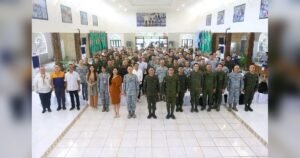
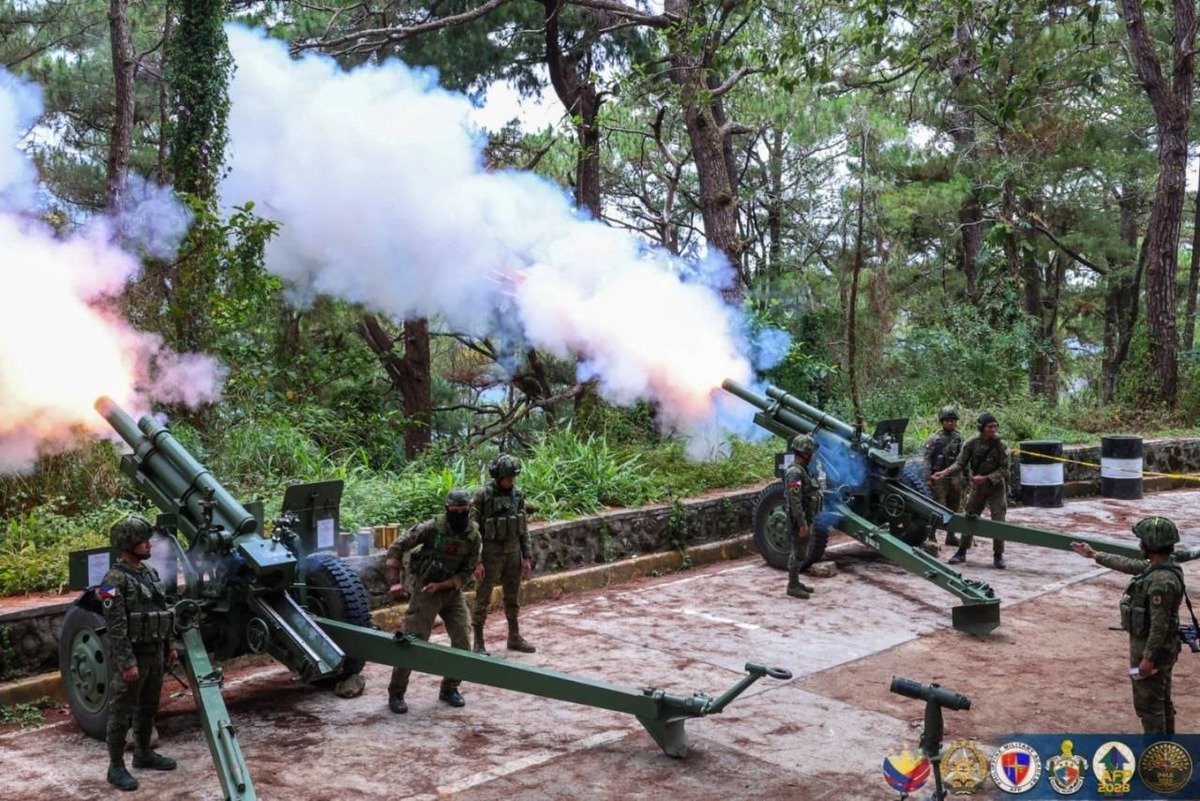
A comprehensive 13-day military training program designed to prepare future officers for contemporary warfare challenges officially ended on Friday, April 24, 2026, as the Philippine Military Academy wrapped up its Joint Field Training Exercises (JFTX) 2026. The intensive program exposed the entire Cadet Corps Armed Forces of the Philippines to complex military operations across multiple domains.
The closing ceremony took place at the Fajardo Grandstand in Fort General Gregorio H Del Pilar, Baguio City, with Vice Admiral Caesar Bernard N Valencia PN, PMA Superintendent, delivering the keynote address. The exercise represented a major achievement in military education, combining traditional training methods with cutting-edge technological applications.
Modern Warfare Preparation Emphasized
During his closing address, Vice Admiral Valencia underscored the exercise’s role in developing military readiness beyond standard training protocols. “We mark not just the fulfillment of a training requirement, but a significant stride in preparing our cadets for the complexities of modern warfare,” he declared to assembled participants.
The superintendent stressed the exercise’s demonstration of integrated military operations across diverse platforms. “More importantly, this exercise stands as the culmination of their fundamental training and leadership development across all levels – demonstrating the demand for seamless integration across ground, air, naval, and cyber domains,” Valencia emphasized.
Progressive Training Across Academic Levels
The training program featured customized objectives aligned with each cadet class’s developmental stage. Valencia detailed how different academic levels faced appropriate challenges corresponding to their training advancement.
First-year cadets experienced their initial comprehensive military operations exposure through the exercise. “For our plebes, this marks the first true test of their foundations – from followership to the discipline and endurance required in basic military training,” Valencia described their participation.
Third-class students encountered intensified leadership responsibilities throughout the training period. The superintendent observed that for these cadets, “it is a proving ground for team leadership – where decision-making and mission execution are demanded under pressure.”
Senior cadets demonstrated advanced military expertise and command capabilities during the exercise. “For our upper class cadets, it is a demonstration of professional competence – synchronizing operations, mentoring juniors, and leading with purpose,” Valencia noted.
Multi-Environment Training Approach
The JFTX 2026 program integrated diverse training settings and scenarios reflecting contemporary military operational requirements. Training activities spanned the Philippine Military Academy grounds and included specialized field immersion conducted in Palawan between March 29 and April 9, 2026.
The PMA Public Affairs Office, under LCDR Jesse Nestor B Saludo PN’s leadership, reported that the program successfully exposed participants to varied operational contexts mirroring actual military environments. This comprehensive methodology balanced traditional field exercises with advanced technological training components.
Technological Innovation Integration
The 2026 training cycle prioritized emerging military technologies and their operational applications. Participants engaged in cyber warfare training, developing skills essential for navigating digital battlefield environments increasingly prevalent in modern conflicts.
Unmanned aerial vehicle operations constituted a significant training element, acknowledging the expanding role of drone technology in military missions. The program additionally featured cognitive warfare instruction, equipping future officers with psychological and information operations capabilities.
Decision-making exercises incorporated artificial intelligence and machine learning technologies, ensuring cadets comprehend how advanced systems enhance military operational effectiveness. This technological emphasis reflects the academy’s dedication to preparing leaders for contemporary warfare demands.
Strategic Geographic Understanding
The Palawan training phase provided practical experience with the Philippines’ unique geographic defense challenges. Throughout the two-week deployment, cadets developed comprehensive understanding of terrain and maritime factors influencing national security planning.
Archipelagic defense concepts formed a central training theme, addressing critical aspects of Philippine military doctrine. Participants learned to evaluate the strategic advantages and challenges presented by island geography in military operational planning and implementation.
Joint Operations Excellence
JFTX 2026 scenarios specifically emphasized coordinated operations spanning multiple military service domains. This training philosophy aligns with current military doctrine requiring effective integration between land, maritime, aerial, space, and cyber forces.
The exercise addressed emerging technological developments while tackling the complex operational environments characterizing modern military service. This comprehensive training ensures graduates possess leadership capabilities necessary for success in dynamic military contexts.
Participants developed proficiency in “multi-domain battlespace” operations, where effectiveness depends on coordination transcending traditional service divisions and technological platforms.
Next-Generation Leadership Development
JFTX 2026’s completion marks a crucial milestone in cultivating future Philippine military leadership. The program’s balanced approach, merging conventional military training with advanced technological instruction, demonstrates the evolving character of national defense preparation.
The Philippine Military Academy’s innovative training methodology showcases its commitment to developing officers equipped for emerging security challenges. Integration of artificial intelligence training, cyber operations, and multi-domain coordination prepares graduates for leadership roles in increasingly sophisticated security environments.
Photo credit: Photo courtesy of Philippine Military Academy
Related stories