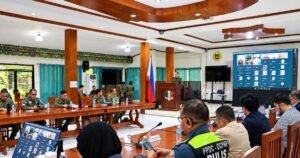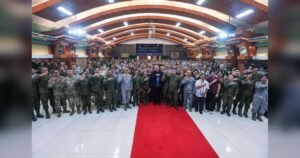
Joint military forces from the Philippines and United States completed an intensive four-day integrated air and missile defense training exercise in Zambales province from April 26-29, as part of the larger Balikatan 41-2026 military cooperation activities.
The Philippine Air Force’s 960th Air and Missile Defense Wing led the Filipino participation in the comprehensive training operation, which focused on enhancing combined capabilities for detecting, tracking, and neutralizing various aerial threats through coordinated defensive operations.
Military officials disclosed Thursday through the Air Force Public Affairs Office that the joint exercise successfully demonstrated improved integration between allied forces’ defense systems and operational procedures during realistic combat simulation scenarios.
Comprehensive Defense Network Testing
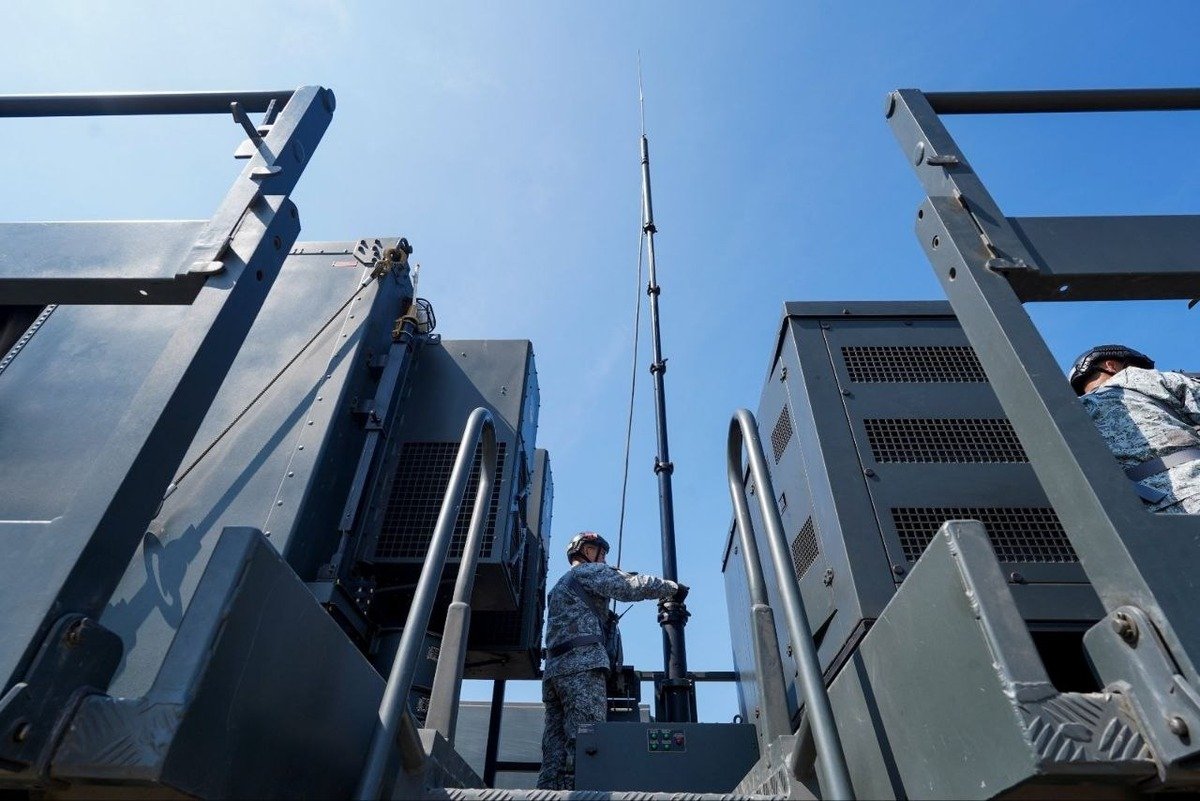
Central to the exercise was the operational deployment of the Philippines’ SPYDER Air and Missile Defense System, which worked in tandem with American military platforms to establish an integrated defensive network across the training zone. This system represents a substantial enhancement to Philippine air defense infrastructure acquired through recent modernization programs.
Colonel Ma Christina O Basco, serving as Chief of Air Force Public Affairs, authorized the detailed disclosure of how both nations’ forces executed complex simulated engagement scenarios utilizing state-of-the-art radar technology and defensive missile platforms throughout the exercise period.
Critical early warning capabilities were provided through sophisticated radar installations that participating units used to analyze and distribute tactical intelligence to positioned forces across the Zambales operational area. This comprehensive sensor-to-engagement process facilitated swift reaction protocols for addressing simulated airborne threats.
Modern Threat Response Integration
The training exercise placed significant emphasis on counter-unmanned aerial vehicle capabilities, highlighting military adaptation to contemporary warfare challenges. Integration of anti-drone technologies reflects military recognition of how unmanned platforms have fundamentally altered modern conflict dynamics.
Counter-UAS systems evaluated during the Balikatan exercise provide Philippine military forces enhanced capabilities for detecting and eliminating smaller aerial threats that conventional missile defense platforms may not adequately counter. This operational gap has gained critical importance as drone technology becomes increasingly widespread and accessible.
Filipino Air Force personnel collaborated extensively with their American counterparts to develop refined engagement procedures for simultaneously addressing multiple categories of aerial threats, ranging from traditional aircraft to advanced unmanned platforms operating in contested airspace.
Communication and Coordination Enhancement
The exercise prioritized strengthening interoperability between Philippine and U.S. military units, ensuring communication infrastructure and tactical methodologies align for potential future combined operations. This coordination encompasses equipment compatibility alongside standardized operational procedures and communication frameworks.
Participating military units practiced real-time information sharing protocols enabling immediate threat evaluation and synchronized response across different operational elements. The training tested the effectiveness of Philippine radar operators transmitting targeting intelligence to American systems while receiving reciprocal data streams.
Command and control mechanisms received focused attention throughout the exercise, with forces from both nations rehearsing decision-making frameworks that incorporate Rules of Engagement and escalation protocols within complex threat scenarios requiring rapid response coordination.
Regional Security Framework Development
The comprehensive missile defense training supports broader Balikatan program objectives centered on reinforcing combined military readiness throughout the Indo-Pacific theater. The annual exercise series has progressively evolved to address current security challenges confronting both allied nations.
Official PAF communications emphasized how these activities demonstrate continued commitment between partner forces toward preserving peace, stability, and security across the Indo-Pacific region. Such commitments carry heightened importance given escalating regional security concerns and evolving threat environments.
These training activities support Philippine Air Force institutional development toward achieving what leadership characterizes as a “mission-ready, capability-driven, and values-based organization,” reflecting comprehensive military modernization initiatives across the entire Armed Forces of the Philippines structure.
Combat Readiness Evaluation Protocols
Exercise participants underwent comprehensive readiness assessments through realistic operational scenarios testing both technological capabilities and personnel decision-making under simulated combat stress. The extended four-day schedule accommodated multiple iterations of progressively complex engagement scenarios.
Surface-to-air defensive coordination received intensive evaluation, with participating units rehearsing engagement sequences requiring precise timing coordination and clear communication protocols. These procedures prove essential in actual combat environments where immediate decisions determine operational success or failure.
The training program concluded with thorough after-action assessment sessions analyzing performance indicators and identifying priority areas for continued development in both individual unit proficiency and combined operational capabilities between allied forces.
System Validation and Performance Analysis
The Zambales training environment provided essential operational evaluation opportunities for recently procured defense systems under realistic field conditions. This comprehensive testing assists military planners in understanding system capabilities and operational limitations across various environmental and tactical situations.
Technical specialists continuously monitored equipment performance throughout the exercise duration, gathering critical data that will guide future training requirements and potential system modifications. Such practical field testing provides irreplaceable insights for optimizing system configurations and operational deployment strategies.
The demonstrated successful integration of Philippine and American defense systems during joint operations validates strategic procurement decisions and confirms the effectiveness of standardized NATO-compatible equipment selections implemented by Philippine military acquisition planners.
Photo credit: Photo courtesy of Philippine Air Force Public Affairs Office