
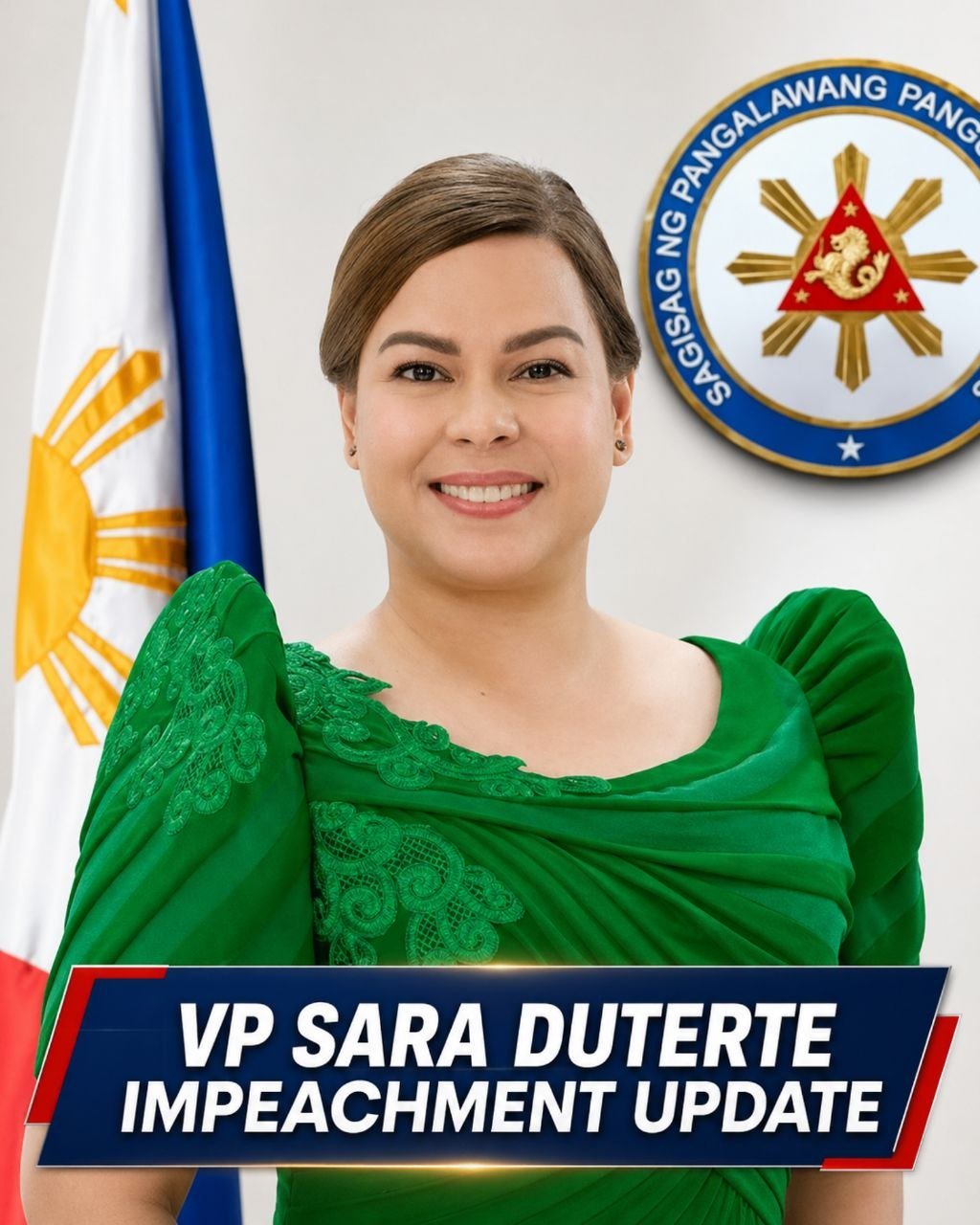
The House Committee on Justice reached a unanimous decision Wednesday, April 29, 2026, with 53 lawmakers voting to establish probable cause in dual impeachment complaints targeting Vice President Sara Duterte, including Negros Oriental 3rd District Representative Janice Degamo among the affirmative votes.
Following extensive deliberations, the justice committee announced its decision, with media outlet Rappler successfully identifying 50 of the 53 participating lawmakers through livestream coverage. Committee chair Batangas 2nd District Representative Gerville “Jinky” Luistro abstained from voting, adhering to parliamentary protocol that permits chairpersons to vote solely during tied outcomes.
As the sole Negros Oriental representative on the panel, Degamo joined fellow non-ranking majority members in casting her affirmative ballot. The widow of assassinated Governor Roel Degamo emerged as the only lawmaker from her province participating in the probable cause determination against the Vice President.
Evolution of Degamo’s Stance Throughout Proceedings
Representative Degamo’s Wednesday vote represents a notable shift from her initial position during earlier committee sessions. On March 2, 2026, she had supported dismissing the first impeachment complaint, emphasizing the need for strict constitutional compliance and procedural accuracy.
However, by March 4, 2026, Degamo reversed course and joined colleagues in determining the complaints held sufficient substance. She invoked the tragic circumstances surrounding her husband’s death, arguing that conditional threats possess the potential to materialize into actual violence, drawing directly from her personal ordeal as the late governor’s widow.
Governor Roel Degamo met his death on March 4, 2023, when gunmen attacked his residential compound in Pamplona, Negros Oriental. The assassination ranks among the Philippines’ most notorious recent political killings, generating widespread national attention and ongoing legal proceedings.
Comprehensive Roster of Supporting Legislators
The remaining non-ranking majority members casting affirmative votes encompassed Manila 6th District Representative Bienvenido Abante Jr., Tingog Representative Jude Acidre, Butuan City Representative Joboy Aquino, and Surigao del Norte 2nd District Representative Bernadette Barbers.
Additional lawmakers supporting the motion included Pampanga 4th District Representative Anna York Bondoc, Manila 3rd District Representative Joel Chua, Manila 1st District Representative Ernesto Dionisio Jr., and 1-Rider Representative Rodrigo Gutierrez.
The affirmative coalition further comprised Laguna 1st District Representative Ann Matibag, Galing sa Puso Representative JP Padiernos, Cagayan de Oro 1st District Representative Lordan Suan, Nueva Ecija 1st District Representative Mikaela Suansing, and Quezon City 5th District Representative Patrick Michael Vargas.
Controversy Surrounding Alleged Detention Facility Visit
Recent weeks have witnessed Degamo demanding clarification from Vice President Duterte regarding reported visits to former Negros Oriental Representative Arnolfo “Arnie” Teves Jr. at Camp Bagong Diwa in Taguig City during late 2025. Teves faces allegations as the mastermind behind Governor Degamo’s assassination.
This reported encounter has attracted significant scrutiny within impeachment proceedings, particularly concerning allegations connecting it to an alleged attempt against Ramil Madriaga’s life. Madriaga serves as a witness in the impeachment case while detained at the identical facility.
Department of the Interior and Local Government Secretary Jonvic Remulla previously confirmed official records indicating the Vice President visited Teves rather than Madriaga, according to facility documentation.
Impeachment Allegations and Constitutional Violations
Vice President Duterte confronts multiple grave accusations within the impeachment complaints, prominently featuring alleged misappropriation of confidential and intelligence funds. These financial irregularities have undergone extensive examination by various government oversight mechanisms.
The complaints additionally encompass unexplained wealth accusations and culpable constitutional violations, forming the foundation for the House justice committee’s probable cause determination. The confidential funds controversy has proven particularly divisive among lawmakers.
Legislators have persistently questioned transparency and accountability protocols governing fund utilization throughout Duterte’s service across different government positions, demanding comprehensive explanations for expenditure patterns.
Constitutional Framework and Senate Trial Prospects
The House justice committee’s probable cause finding propels Vice President Duterte’s impeachment complaints forward in the constitutional process potentially culminating in Senate trial proceedings. This committee decision constitutes a crucial milestone in the mechanism for removing high-ranking officials.
Philippine constitutional provisions mandate impeachment cases initially navigate House of Representatives approval before advancing to Senate trial phases. The Senate would function as the impeachment tribunal, with individual senators serving as presiding judges.
Should proceedings reach the Senate, a two-thirds supermajority vote would be necessary for conviction and removal from office. Success would establish Duterte as merely the second Vice President in Philippine history confronting such constitutional proceedings.
Degamo’s Continuing Committee Responsibilities
Representative Degamo, maintaining her justice committee membership, anticipates continued participation in deliberations as impeachment proceedings advance. Her perspective carries distinctive significance given her direct experience with political violence and assassination trauma.
Her committee involvement reflects broader political dynamics surrounding the case, particularly considering connections between her husband’s murder and individuals allegedly visited by the Vice President during the controversial detention facility encounter.
The Negros Oriental representative has maintained consistent emphasis on accountability and justice throughout public statements addressing both her husband’s case and current impeachment developments.
Political Timeline and National Implications
Impeachment proceedings have accelerated dramatically since early 2026, with initial complaint dismissal followed by subsequent reconsideration. March hearings produced significant developments, including Degamo’s position reversal based on evidence analysis.
The process has captured national attention given Vice President Duterte’s prominent profile and her family’s extensive political influence. This case represents a substantial examination of the country’s impeachment mechanisms and constitutional frameworks.
As proceedings advance, observers focus intensely on full House of Representatives handling of committee recommendations and whether the case will ultimately proceed to Senate trial proceedings.
Photo credit: House of Representatives official documentation