
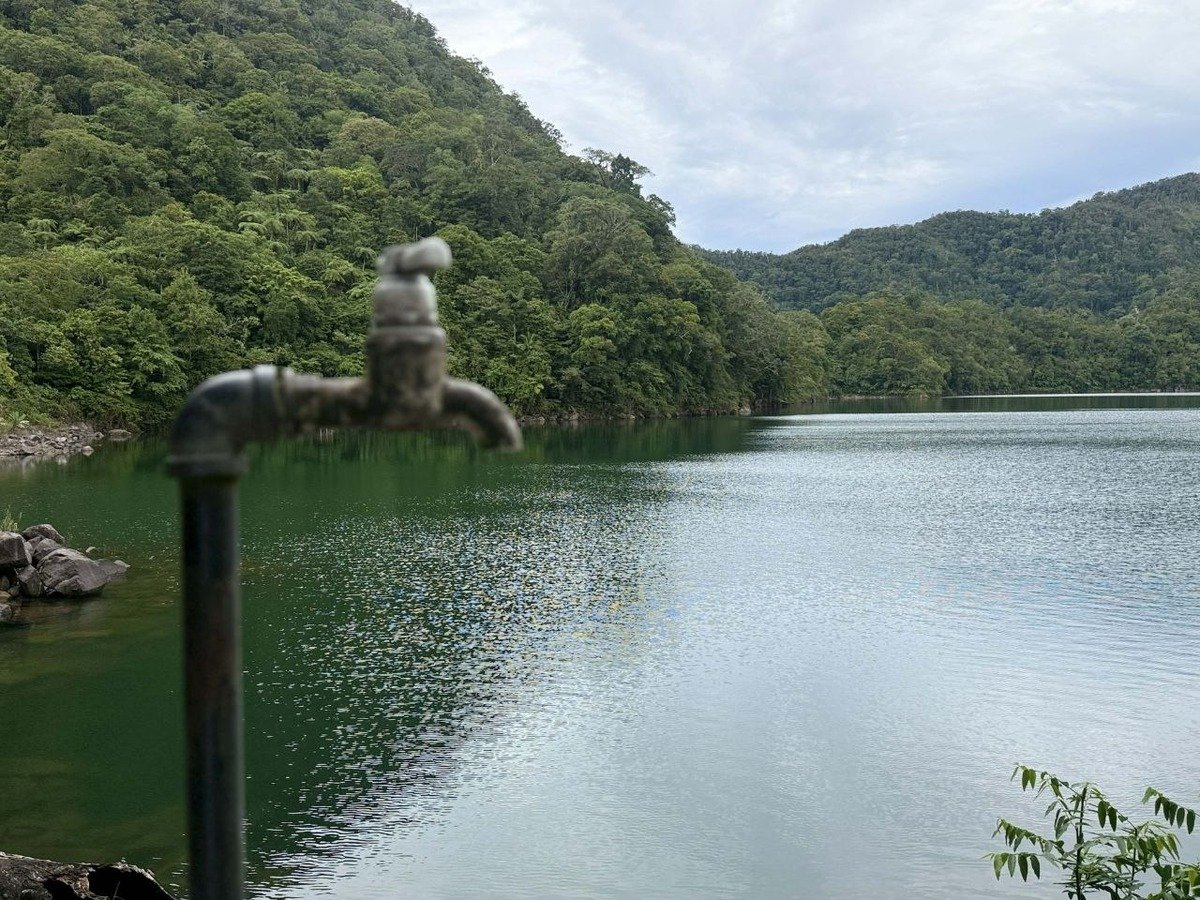
Twin Crater Lakes Above Dumaguete Offer a Rare Highland Escape
Less than an hour’s drive from the heart of Dumaguete City, a pair of ancient crater lakes sits quietly within the forested highlands of Negros Oriental — drawing birdwatchers, hikers, researchers, and photographers to one of the region’s most ecologically significant protected areas. Balinsasayao Twin Lakes Natural Park carries both ASEAN Heritage Park status and domestic legal protection under national law, making it among the most formally recognized natural sanctuaries in the Visayas.
For travelers who value depth of experience over volume of activity, the twin lakes present something increasingly rare: a destination that is genuinely accessible from a provincial city yet retains the atmospheric stillness and biodiversity density that mass tourism tends to erode.
Getting There: A Winding Mountain Road That Sets the Mood
The drive up to Balinsasayao is widely regarded as part of the visit itself. Situated between 40 and 60 minutes from Dumaguete City’s center, the park is reachable by motorcycle, bicycle, or private four-wheeled vehicle along a mountain road that climbs steadily through rural highland scenery. Large buses are not permitted along the approach road — a deliberate restriction that, according to park caretakers, keeps traffic manageable and preserves the intimate character of the ascent.
As the road crests toward the park entrance, visitors are met with an opening view of Lake Balinsasayao framed by layered green ridges and a dense forest canopy that signals the ecological health of the surrounding landscape. That first impression — the combination of proximity to a city and the sudden sense of being far removed from one — has contributed significantly to the park’s growing reputation among both domestic tourists and international visitors traveling through Negros Oriental.
What the Names Mean: Cebuano Roots of Balinsasayao and Danao
The names of the two lakes carry meaning drawn from the Cebuano language. “Balinsasayao,” which belongs to the larger of the pair, is a compound rooted in “baling” — meaning plenty — and “sayaw,” the local Cebuano term for the Glossy Swiftlet, a bird species that once populated these forested slopes in large numbers and now appears on the park’s list of protected wildlife.
The smaller body of water, Lake Danao, derives its name from the Cebuano phrase “Danao diyot,” which translates simply as “small lake.” Together, the two lakes form the geographic and ecological centerpiece of a protected area that was formally proclaimed in the year 2000. According to the Department of Environment and Natural Resources (DENR), the park’s legal protections were subsequently expanded under the Expanded National Integrated Protected Areas System Act of 2018 — commonly referred to as the Expanded NIPAS Act — which provides a broader legislative framework for managing critical habitats and enforcing conservation measures across the Philippines.
427 Threatened Species: A Biodiversity Count That Sets the Park Apart
Among all ecotourism destinations across the Visayas region, Balinsasayao Twin Lakes Natural Park stands out for the documented rarity and concentration of its resident species. Park records indicate that the protected area shelters 427 plant and animal species classified as critically endangered, endangered, or vulnerable.
The park’s most recognized animal inhabitants include the Negros Bleeding Heart, a critically endangered ground dove endemic to the island of Negros; the Visayan Tarictic Hornbill, a species under severe population pressure across its limited range; and the Philippine Hanging Parrot, a small, vibrantly colored bird found across the broader Philippine archipelago. According to the ASEAN Centre for Biodiversity, which administers the ASEAN Heritage Parks program, sites carrying this designation are selected specifically for the exceptional natural values and biodiversity they represent within the Southeast Asian region.
The park’s plant life is equally noteworthy. The Lady’s Slipper orchid — one of the more visually striking and ecologically sensitive flowering plants in the region — grows within the protected boundaries. The Almaciga, a towering tree species of both ecological and cultural significance, is also found here, as is the Rose Grape, valued for its vivid coloration and relative scarcity outside of protected settings. For birdwatchers, botanists, herpetologists, and field researchers, the combination of species present in a single visit is difficult to replicate at any comparable site in the region.
Activities Available: Boating, Trekking, Camping, and More
The park has been developed with low-impact, experience-focused tourism as its guiding philosophy. Visitors may choose from several activity options, each structured to allow meaningful engagement with the natural environment while keeping ecological disruption to a minimum.
Boating on the lake surface offers a perspective of the surrounding forest and ridgeline that cannot be appreciated from shore — a view that park guides describe as among the most striking aspects of a visit. Trekking and hiking trails provide access to forested interior sections of the park, where wildlife encounters and botanical observations are most frequent.
Overnight camping is permitted within designated areas, giving visitors who stay past sunset the opportunity to experience the park in conditions — deep quiet, absence of light pollution, layered forest sounds — that transform the highland atmosphere considerably. Picnic and dining facilities overlooking the lake are also available for day visitors. The park has additionally become a popular location for pre-nuptial photography sessions, with the mist-covered lake surface, early morning light, and surrounding forest providing a natural backdrop that is difficult to replicate in a studio or urban setting. Academic institutions regularly bring student groups for educational tours combining direct species observation with formal ecological instruction.
Visitor Rules: Strict but Purposeful
Balinsasayao Twin Lakes Natural Park operates under a defined set of visitor regulations, which park caretakers summarize under three principles: protect, preserve, and conserve. Swimming in either lake is strictly prohibited. Visitors may not dispose of garbage within the park, generate excessive noise that could disturb wildlife, use local firewood for cooking, or remove any plant, animal, or natural material from within the protected boundaries.
These rules are not presented as formalities. They are, according to park management, the operational conditions under which a sanctuary sheltering nearly 430 threatened species can continue functioning as a genuine refuge. Their consistent enforcement is what sustains the park’s standing as both an ASEAN Heritage Park and one of the most ecologically intact protected areas in Negros Oriental.
ASEAN Heritage Status and the Framework of National Law
The ASEAN Heritage Parks program, administered by the ASEAN Centre for Biodiversity, recognizes protected areas across Southeast Asia that demonstrate exceptional natural values, sound ecological management, and a meaningful contribution to regional biodiversity conservation. Balinsasayao Twin Lakes Natural Park’s inclusion in this program places it among a select group of sites across the region judged to meet these standards — a designation that carries weight not only in terms of conservation visibility but also in attracting researchers and nature-focused international travelers who specifically seek out recognized heritage sites.
On the domestic side, the Expanded NIPAS Act of 2018 provides the legal foundation for law enforcement, habitat management, and the regulation of all activities within the park’s boundaries. Environmental managers and DENR officials have identified this legislative framework as essential to the long-term sustainability of protected areas facing increasing pressure from surrounding land use change and development.
A Half-Day Trip From Dumaguete With Full Conservation Value
For anyone already based in Dumaguete City or traveling through Negros Oriental, the twin lakes sit within comfortable half-day trip distance from the provincial capital — close enough to visit without an overnight commitment, yet substantive enough to reward a full day’s stay. The convergence of urban accessibility, ASEAN Heritage recognition, and verified biodiversity density makes Balinsasayao Twin Lakes Natural Park an unusually complete natural destination for a provincial setting.
Few places in the Philippines allow a traveler to move from a city center to a fully protected highland forest sheltering hundreds of threatened species in under an hour — and fewer still carry the formal designations, active management, and genuine ecological integrity that make such a journey worth taking more than once.
Source: Originally reported by breakingnewsnegrosoriental.com