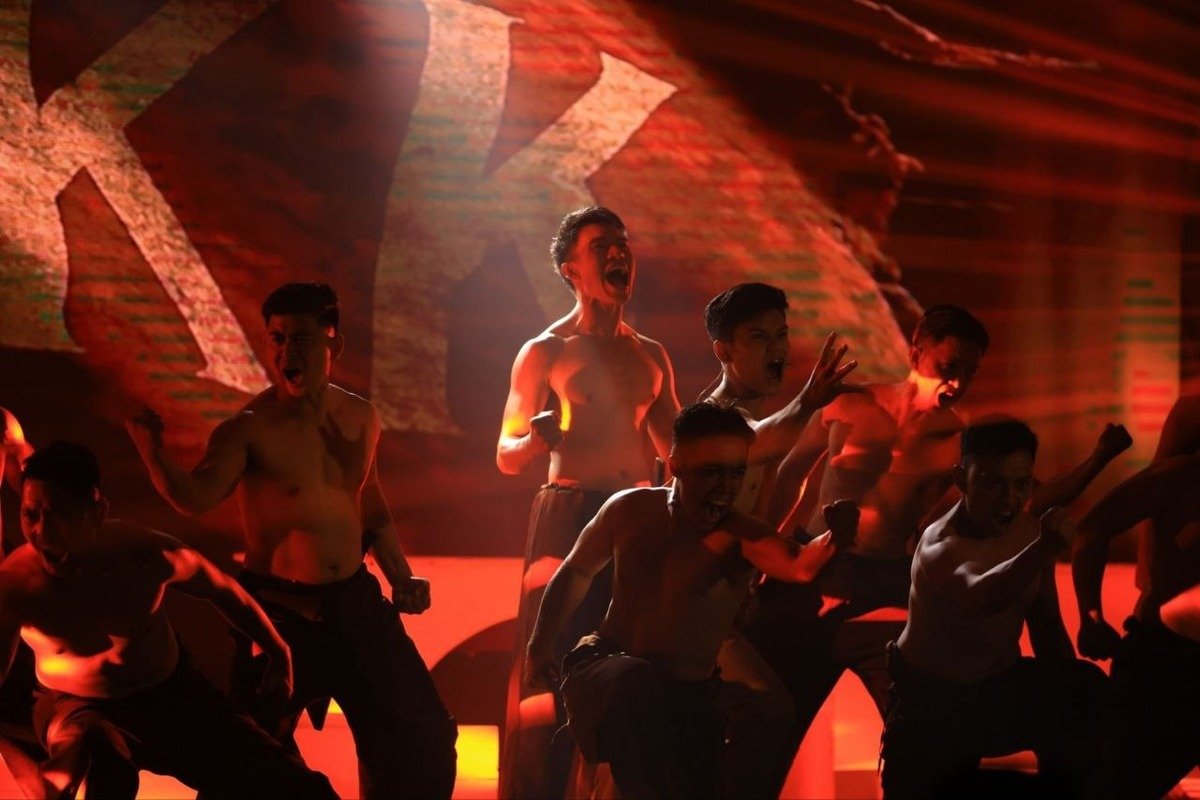
An original one-act musical produced entirely within the ranks of the Philippine Army made its second venue appearance at Ricarte Hall, Headquarters Philippine Army, Fort Bonifacio, Taguig City on May 25, 2026 — marking one of the more unusual cultural events to emerge from a military institution in recent years. The production, titled Liyab, was mounted by Teatro Kaugnay, the homegrown theatre group of the 7th Infantry “Kaugnay” Division, as part of the nationwide observance of National Heritage Month.
A Soldier-Written Musical About Identity and History
The script and direction of Liyab belong to Captain Ralph Andy L. Ranario, an active officer whose dual creative role sets the production apart from typical military programming. According to the Philippine Army’s official statement, the musical weaves together Philippine history, cultural expression, and questions of national identity — challenging audiences to reflect on what nationalism means in the contemporary Filipino context.
The title itself carries deliberate symbolism. Liyab is a Filipino word meaning “flame” or “blaze,” evoking the passion and fervor that underpin both patriotism and the historical struggles that shaped the nation. The script is written in Filipino, grounding the production firmly in the language and sensibility of the culture it seeks to celebrate.
Captain Ranario’s position as both playwright and director makes him the central creative force behind one of the more distinctive cultural outputs from the Philippine Army in recent memory — a fully staged, original musical produced and performed by soldiers and military-affiliated artists.
Army Chief Personally Endorses the Production
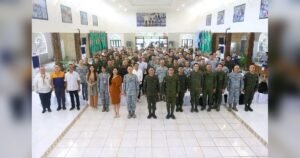
The matinee performance on May 25 drew a notable guest: Army Chief Lieutenant General Nafarrete, who not only attended but publicly commended the cast and production team following the show. His presence at the performance represents a deliberate institutional endorsement of the arts as a legitimate vehicle for civil-military engagement.
Speaking in Filipino after the matinee, Lt. Gen. Nafarrete emphasized the Philippine Army’s support for creative endeavors as a means of nurturing national consciousness — not only among military personnel, but among civilian audiences as well. According to Colonel Louie G. Dema-ala, Chief Public Affairs of the Philippine Army, the Army chief stressed that Teatro Kaugnay had successfully translated the lessons embedded in Philippine history into a form that could genuinely ignite a sense of fraternity and nationalism in its viewers.
The significance of a senior military commander attending and publicly praising a theatrical production — particularly one staged at the institution’s own headquarters — reflects a broader shift within the AFP toward recognizing cultural programming as a strategic tool in civil-military relations.
The Theatre Group and Its Founding Vision
Teatro Kaugnay did not emerge from a government cultural agency or an academic institution. It was conceptualized and founded by Major General Joseph Norwin D. Pasamonte, Commander of the 7th Infantry Division, with the express vision of elevating Philippine history and culture as foundational pillars of national identity.
The word “Kaugnay” — meaning “connected” or “linked” in Filipino — reflects the division’s philosophy of building meaningful bonds between the military and the communities it serves. The theatre group is an extension of that philosophy into the cultural sphere, using the performing arts as a bridge between the institution and the wider public.
For the Fort Bonifacio staging, Maj. Gen. Pasamonte served as executive producer, signaling his continued personal investment in the project beyond its founding. The production was co-produced with private creative firm KreativExpo Inc., in a public-private partnership model that brought civilian creative expertise into a military-backed cultural venture. The Office of the Assistant Chief of Staff for Civil-Military Operations, OG7, also partnered with the 7th Infantry Division to mount the Fort Bonifacio run.
The Production’s Earlier Run at Camp Aguinaldo
The Fort Bonifacio performances were not the debut of Liyab. The musical was first staged on March 30, 2026, at the Tejeros Hall, Armed Forces of the Philippines Commission Officers Clubhouse, Camp General Emilio Aguinaldo, Quezon City — giving the production an earlier audience within the AFP community months before the May run.
The deliberate gap between the March staging and the May performances at Fort Bonifacio suggests careful scheduling aligned with National Heritage Month, which is observed throughout May under Proclamation No. 439, Series of 2003, signed by then-President Gloria Macapagal Arroyo. That proclamation mandates the promotion and celebration of Filipino cultural heritage, history, and the arts during the month of May.
The two-venue tour — from Camp Aguinaldo in Quezon City to Fort Bonifacio in Taguig — demonstrates a sustained institutional commitment to bringing the production before multiple audiences rather than treating it as a one-off event. Government agencies, educational institutions, and cultural organizations are traditionally encouraged to hold performances and exhibits during this period, and the Philippine Army’s participation through Teatro Kaugnay positions the military as an active contributor to that tradition.
Public-Private Model and the Broader Civil-Military Framework
The involvement of KreativExpo Inc. as co-producer introduces a notable element to the production’s structure. The collaboration between a military unit and a private creative company to produce an original theatrical work is uncommon in the Philippine context, and it points to an openness within military leadership to working alongside the private creative sector.
Such partnerships potentially expand both the reach and the production quality of future Teatro Kaugnay projects. More broadly, the initiative fits within the AFP’s civil-military operations mandate, which has increasingly incorporated cultural programming as a mechanism for community engagement and the promotion of national awareness beyond traditional security functions.
By positioning soldiers not only as security assets but as performers, writers, and cultural advocates, the 7th Infantry Division is making a statement about the kind of institution the Philippine Army aspires to be — one that sees stewardship of national culture as part of its mission.
Final Performance Scheduled for May 26
A closing performance of Liyab was scheduled for May 26, 2026, at Ricarte Hall, Headquarters Philippine Army, Fort Bonifacio — giving members of the AFP community and the general public one final opportunity to see the production before its Fort Bonifacio run concluded.
According to the Philippine Army’s official statement released through Colonel Dema-ala’s office, no ticket pricing details or formal registration requirements were included in the announcement. Those wishing to attend the closing night were advised to reach out to the Philippine Army’s public affairs office for information regarding access to the Fort Bonifacio venue.
As of the statement’s release, the Philippine Army had not announced any additional stagings or future tour dates for Liyab beyond the May 26 performance. However, the production’s reception — marked by the personal endorsement of the Army chief and a growing profile within military cultural circles — leaves open the possibility that Teatro Kaugnay’s flagship musical may yet find new audiences in the future.
Originally reported by: Philippine Army Public Affairs Office / breakingnewsnegrosoriental.com wire reports