
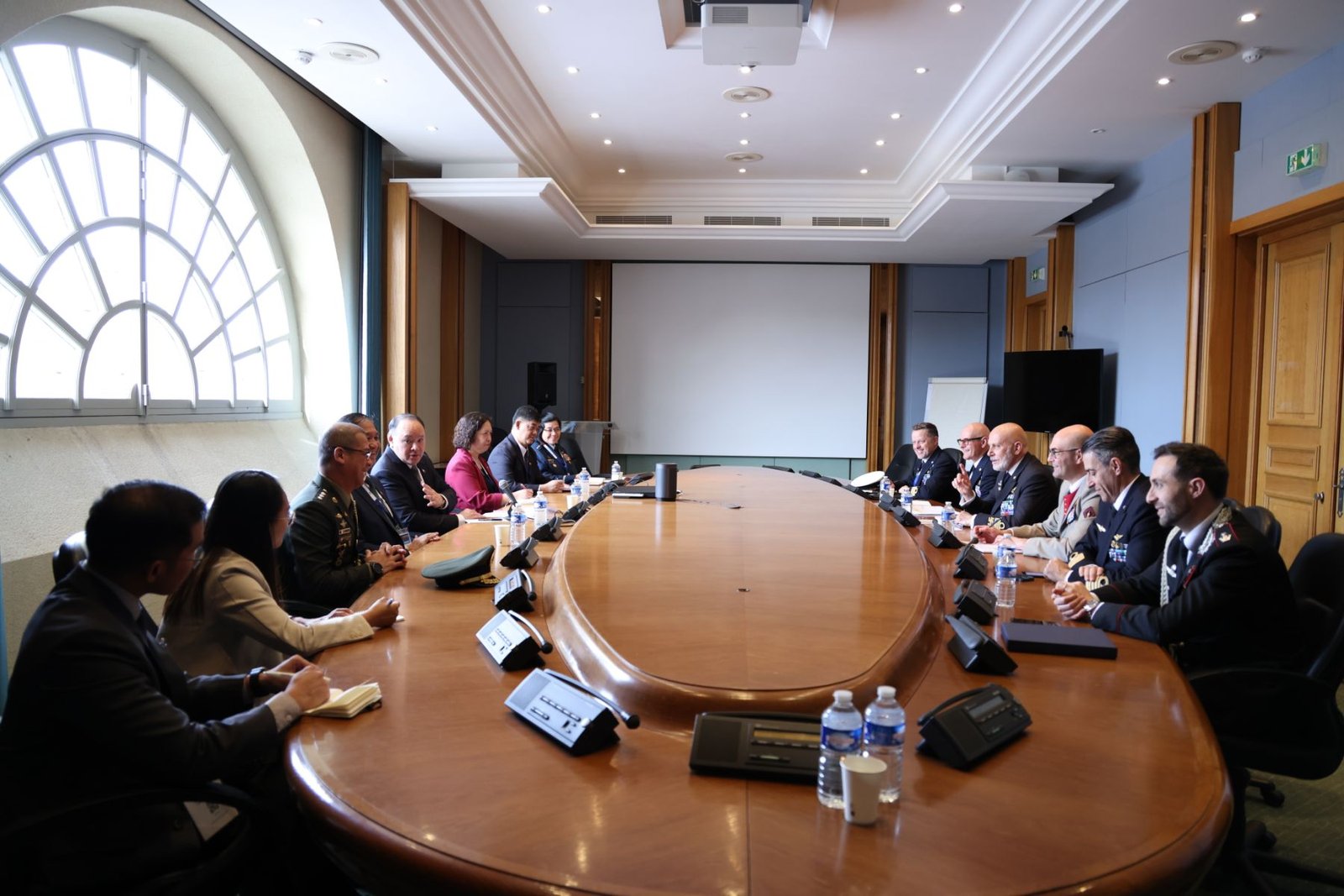
PARIS, France, March 25, 2026 – The Philippines is advocating for increased cross-regional cooperation in defense and military affairs. This initiative was highlighted during a meeting between Secretary of National Defense Gilberto C. Teodoro, Jr. and Admiral Giuseppe Cavo Dragone, Chair of the NATO Military Committee (CMC). The meeting took place on Tuesday, March 24, 2026, at the Paris Defence and Strategy Forum (PDSF).
Secretary Teodoro emphasized the growing need for international collaboration to address the ever-changing landscape of global security threats. He stated that the Philippines is actively working to enhance its interoperability and collaboration with the European Union and NATO countries. This effort is driven by the Philippines’ commitment to strengthen its resilience and ensure the safety and well-being of Filipinos worldwide.
NATO Affirms Willingness to Collaborate with the Philippines
Admiral Cavo Dragone expressed NATO’s readiness to work with the Philippines on security matters. Both leaders recognized the crucial role of information sharing and the exchange of best practices among inter-regional partners in mitigating threats to the established international order.
This meeting follows a previous discussion between Secretary Teodoro and Admiral Cavo Dragone at the Seoul Defense Dialogue in September 2025. During that event, they participated in a panel discussion focusing on geopolitical competition and strategies for restoring strategic stability.
Philippines Prioritizes Interoperability and International Cooperation
The Department of National Defense (DND) views international cooperation as essential for addressing contemporary security challenges. These include not only traditional military threats, but also non-traditional security concerns such as cyber warfare, climate change-related disasters, and pandemics. Interoperability, which refers to the ability of different military forces to operate together seamlessly, is a key objective. This involves aligning communication systems, equipment, and operational procedures.
The push for stronger ties with NATO aligns with the Philippines’ broader foreign policy objectives, which prioritize multilateralism and engagement with international partners. The country has been actively participating in regional and international forums to promote peace, security, and stability. This includes working with ASEAN member states, as well as engaging with countries beyond the region, such as the United States, Australia, Japan, and now potentially more closely with NATO members.
Potential Areas of Cooperation Between the Philippines and NATO
While the specific details of potential cooperation have not been fully outlined, likely areas include:
- Information Sharing: Exchanging intelligence and assessments of security threats.
- Joint Training Exercises: Participating in military exercises to enhance interoperability and learn from each other’s experiences.
- Capacity Building: Providing training and equipment to help the Philippines strengthen its defense capabilities.
- Maritime Security: Cooperating on maritime security issues, such as combating piracy and protecting freedom of navigation.
- Cybersecurity: Sharing expertise and resources to address cyber threats.
Implications for Regional Security
The enhanced security cooperation between the Philippines and NATO could have significant implications for regional security in the Indo-Pacific. The Philippines is located in a strategically important region, and its security is closely linked to the security of its neighbors. A stronger and more capable Philippine military, working in partnership with NATO, could contribute to maintaining stability and deterring aggression in the region. However, some regional actors may view this increased cooperation with caution, potentially leading to adjustments in their own security strategies.
The move also underscores the Philippines’ continued commitment to strengthening its defense capabilities amidst ongoing tensions in the South China Sea. By partnering with international bodies like NATO, the Philippines can enhance its ability to protect its sovereign rights and interests. Increased security ties may also serve as a deterrent to actions that undermine regional stability.
Examining NATO’s Role in the Indo-Pacific
NATO’s engagement in the Indo-Pacific region is evolving. While primarily focused on the Euro-Atlantic area, NATO recognizes the growing interconnectedness of global security challenges. Several NATO members, such as the United States, the United Kingdom, France, and Australia, have increased their presence and activities in the Indo-Pacific in recent years. This reflects a shared concern about maintaining a rules-based international order and addressing challenges posed by rising powers.
For the Philippines, a formal partnership with NATO could provide access to advanced military technology, training opportunities, and strategic insights. This can significantly enhance the country’s defense capabilities and its ability to respond to a wide range of security threats. However, the Philippines will need to carefully consider the potential implications for its relationships with other countries in the region. Maintaining a balanced approach to foreign policy is crucial to ensuring long-term stability and prosperity.
Next Steps for Philippines-NATO Cooperation
Following the initial discussions at the Paris Defence and Strategy Forum, further steps will be needed to formalize and implement the enhanced security cooperation between the Philippines and NATO. This could involve establishing a formal partnership agreement, conducting joint military exercises, and exchanging personnel for training and capacity building purposes. The DND will likely play a key role in coordinating these efforts, working closely with the Department of Foreign Affairs and other relevant government agencies.
Ultimately, the success of this initiative will depend on the commitment of both the Philippines and NATO to building a strong and mutually beneficial relationship. By working together, they can contribute to a more secure and stable Indo-Pacific region, and help to address the complex security challenges facing the world today. The coming months will be critical in shaping the future of this partnership and defining the specific areas of cooperation that will be prioritized.
The DND is expected to release further details regarding specific areas of cooperation and timelines for implementation in the coming weeks. Public consultations and discussions with stakeholders may also be held to ensure that the initiative aligns with the country’s broader national interests and priorities.
Photo credit: Photo from DND.gov.ph