Philippine military officials have issued urgent warnings to overseas Filipino communities regarding systematic recruitment operations conducted by communist insurgent groups targeting young Filipinos living abroad, particularly those involved in activist movements.
The 2nd Infantry (Jungle Fighter) Division based at Camp Capinpin in Rizal province highlighted these concerns following discoveries of foreign nationals, including Filipino-Americans, fighting alongside Communist Party of the Philippines–New People’s Army (CPP-NPA) forces during recent military operations in Occidental Mindoro.
These revelations emerged from intelligence gathered during multiple armed confrontations throughout 2026, where government forces encountered rebels with documented ties to Filipino activist organizations operating in the United States and other countries with significant Filipino populations.
Documented Cases of Foreign Involvement
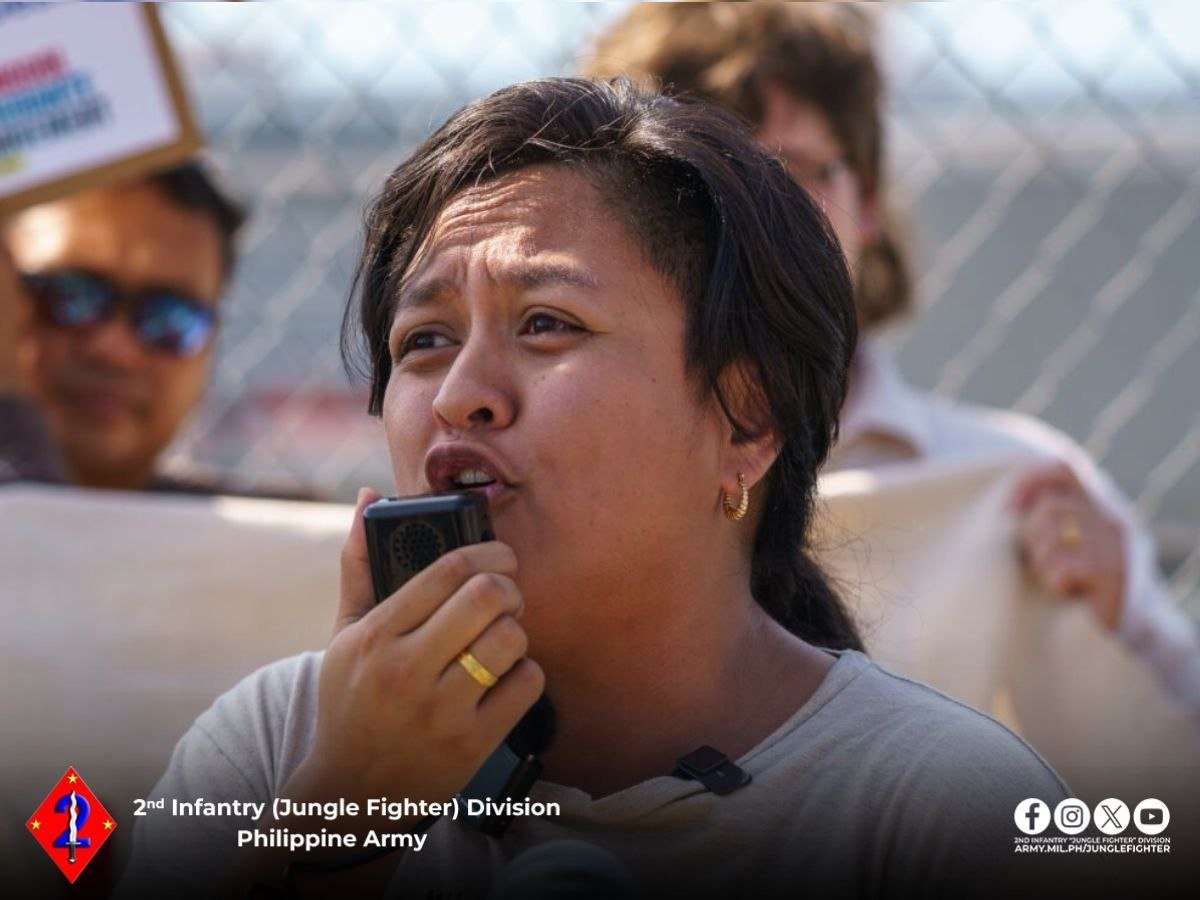
The military’s concerns center on documented evidence of Filipino-Americans joining armed communist groups in the Philippines. Intelligence reports identified Cristina Pasion, a Filipino-American activist previously affiliated with Migrante International—a worldwide coalition advocating for migrant Filipino rights—as remaining with rebel forces in Occidental Mindoro’s mountainous regions following recent military encounters.
Migrante International operates as a global network connecting Filipino migrant organizations across multiple countries, with significant presence in communities throughout the United States. Military sources indicated that Pasion maintained active participation in Filipino-American activist circles before traveling to the Philippines and subsequently joining armed groups.
The situation became more complex with the involvement of Chantal Anicoche, a 24-year-old Filipino-American successfully rescued by government forces during a January 1, 2026 armed encounter in Abra de Ilog, Occidental Mindoro. Unlike Pasion’s case, military intervention allowed Anicoche to safely return to her Maryland family, demonstrating both the reach of recruitment efforts and the possibility of successful intervention.
Escalating Military Encounters Reveal Pattern
Intelligence gathered from a series of military engagements in Occidental Mindoro throughout 2026 provided evidence of organized foreign involvement in domestic insurgency. The pattern began with the January 1 encounter that resulted in Anicoche’s rescue and continued through subsequent clashes in Barangay Monteclaro, San Jose, Occidental Mindoro.
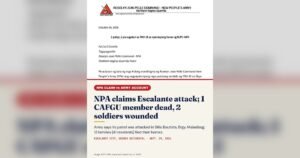
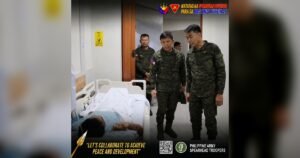
Two particularly significant encounters occurred on March 24 and March 29, with the latter resulting in casualties among government forces. Army Captain Dean Buen Oyando was killed during the March 29 engagement, while two additional soldiers sustained injuries. Government forces captured Charlize Garzon, a female rebel who now faces criminal prosecution related to the incident.
Documents, journals, and personal belongings recovered from multiple encounter sites provided concrete evidence of international involvement in rebel operations. Military officials reported that handwritten materials and personal documentation confirmed the presence of foreign nationals integrated into armed groups operating throughout the region.
Official Military Response and Community Warnings
Colonel Michael Aquino, serving as Chief of the 2nd Division Public Affairs Office, addressed the recruitment threat directly, emphasizing the continuing efforts by terrorist organizations to expand their ranks through overseas recruitment operations. His official statements specifically targeted concerns about young Filipinos in international communities being drawn into violent movements.
“We encourage families and Filipino communities abroad to stay informed and to help ensure that young people are not misled into joining armed groups operating in the Philippines,” Colonel Aquino declared in his official warning.
The colonel’s statements suggest that recruitment activities may extend beyond previously understood parameters, potentially affecting Filipino diaspora communities across multiple countries where substantial Filipino populations exist.
Intelligence Documentation and Evidence
Military intelligence operations have yielded substantial documentation providing insights into the operational structure and recruitment methods employed by armed groups. Recovered materials include detailed personal journals and communication records that reveal systematic approaches to recruiting and integrating foreign nationals into rebel operations.
These documents reportedly demonstrate organized recruitment targeting specific demographics, with particular focus on young Filipino-Americans possessing activist backgrounds or connections to overseas Filipino advocacy organizations. The materials also provide evidence of established communication networks and operational procedures for incorporating foreign recruits.
The systematic nature of documentation suggests planned recruitment operations rather than spontaneous involvement, indicating established processes for identifying, recruiting, and integrating international supporters into domestic armed conflicts.
Government Programs and Peaceful Resolution Options
Military officials emphasized the availability of government rehabilitation programs designed to assist individuals seeking to leave armed groups and return to legal status. These programs extend to both local and foreign nationals, offering pathways for peaceful resolution and social reintegration.
The 2nd Infantry (Jungle Fighter) Division reiterated commitments to community protection while maintaining opportunities for peaceful resolution of conflicts. Rehabilitation initiatives aim to help former combatants rebuild lives and successfully reintegrate into civilian society through structured support systems.
This approach combines enforcement actions with rehabilitation opportunities, reflecting comprehensive government strategy for addressing the decades-long insurgency through both military pressure and peaceful alternatives for conflict resolution.
Impact on Global Filipino Communities
The military warnings carry particular significance for Filipino communities in countries with large Filipino populations, especially the United States where substantial Filipino-American communities exist. Community leaders face increased responsibility for monitoring potential recruitment activities that may target young people through established activist networks.
The contrasting outcomes of Pasion and Anicoche cases illustrate both the serious consequences of involvement with armed groups and the potential for successful intervention. While Anicoche returned safely to her family through military assistance, Pasion’s continued presence with rebel forces demonstrates the long-term implications of recruitment success.
Military officials stressed that overseas Filipino communities possess crucial roles in preventing recruitment by maintaining awareness of activities and associations involving young community members who may be targeted by systematic recruitment operations.