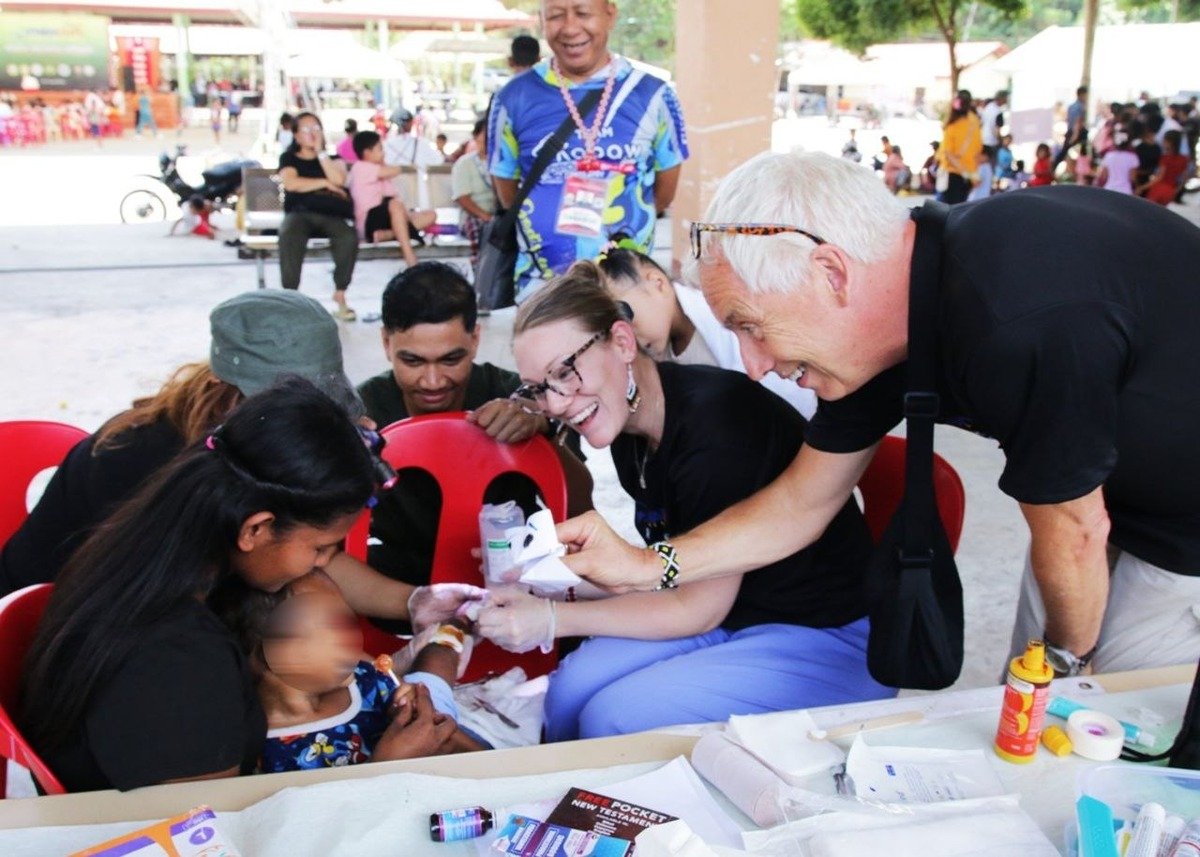
TALAINGOD, Davao del Norte – A landmark healthcare initiative concluded successfully in mid-April 2026, providing medical services to 10,222 indigenous residents across remote communities in Mindanao’s mountainous regions, representing the most extensive humanitarian outreach conducted in the area this year.
The three-day medical intervention, spanning April 15-17, took place in Barangay San Isidro and targeted primarily Ata-Manobo populations who face significant barriers accessing conventional healthcare facilities due to geographic isolation and infrastructure limitations.
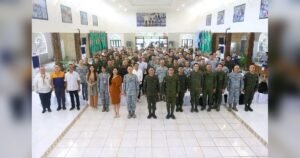
This ambitious undertaking resulted from collaborative efforts between Youth With A Mission (YWAM) Ships Philippines, the Philippine Army’s 10th Infantry (Agila) Division, the 60th Infantry (Mediator) Battalion, and Talaingod’s Local Government Unit, demonstrating effective civil-military cooperation in humanitarian service delivery.
Addressing Critical Healthcare Gaps
The medical outreach addressed fundamental healthcare deficiencies affecting indigenous communities in geographically isolated and disadvantaged areas. Professional medical consultations served as the program’s primary component, with healthcare practitioners providing diagnosis and treatment for conditions commonly affecting remote populations.
Healthcare professionals delivered specialized maternal care through midwifery services, conducted essential laboratory diagnostics, performed professional wound care procedures, and provided circumcision services. Dental professionals addressed oral health problems that typically remain untreated in isolated communities lacking access to specialized dental care.
Essential pharmaceutical distribution ensured treatment continuity beyond the mission’s duration, addressing both acute health issues and chronic medical conditions requiring ongoing management among program beneficiaries.
International Healthcare Volunteer Mobilization
The mission attracted approximately 100 volunteer healthcare practitioners, constituting one of the region’s largest medical volunteer deployments. This diverse team included physicians, registered nurses, dental practitioners, and medical specialists from across the Philippines and international locations.
The volunteer team’s varied expertise enabled delivery of specialized medical care typically unavailable to geographically isolated community residents. Participants brought dedicated medical equipment and pharmaceutical supplies specifically procured for this humanitarian mission.
International volunteer participation demonstrated global solidarity in addressing healthcare inequities within remote Philippine communities, with foreign medical experts contributing professional time and specialized knowledge to serve indigenous populations.
Military Commander Highlights Collaborative Success
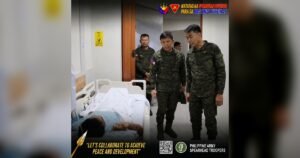
Major General Alvin Luzon, commanding the 10th Infantry (Agila) Division, emphasized the significance of multi-sector partnerships in serving underserved populations. His official statement acknowledged civilian organizations’ crucial contributions to indigenous community service delivery.
“We recognize the vital role of our partners in bringing essential services to our Indigenous Peoples communities,” declared Major General Luzon. “The Philippine Army remains committed to supporting initiatives that improve lives and expand access to basic services in geographically isolated areas.”
Military participation encompassed comprehensive logistical coordination, with the 60th Infantry Battalion ensuring operational security and facilitating volunteer movement throughout the challenging three-day deployment across difficult terrain.
YWAM Ships Philippines Organizational Mission
Youth With A Mission (YWAM) Ships Philippines functions as a specialized humanitarian organization focused on serving geographically isolated and disadvantaged communities throughout the Philippine archipelago. The organization coordinates volunteer professional deployment and medical mission implementation as core organizational activities.
The organization implements comprehensive development strategies encompassing healthcare provision, community development programs, and local capacity-building initiatives. This integrated methodology seeks sustainable community improvements rather than temporary humanitarian relief.
YWAM Ships Philippines has developed expertise in mobilizing international volunteer resources and coordinating humanitarian missions in remote locations where conventional government service delivery faces substantial logistical obstacles.
Healthcare Access Challenges for Indigenous Communities
Ata-Manobo populations in Talaingod confront ongoing healthcare access challenges stemming from geographic remoteness and inadequate transportation infrastructure. Community members often require multi-hour or multi-day travel to reach basic medical facilities, making routine healthcare maintenance practically impossible.
These geographic obstacles frequently contribute to preventable mortality and untreated chronic health conditions within indigenous populations. Limited regular medical presence means minor health concerns commonly progress into serious medical crises.
The recent medical intervention addressed accumulated unmet healthcare needs, with numerous participants receiving initial professional medical evaluation after months or years without healthcare access. Medical providers documented conditions that could have been effectively managed through earlier medical intervention.
Effective Civil-Military Partnership Framework
The Talaingod medical mission exemplifies successful civil-military cooperation in humanitarian response implementation. This partnership framework integrates military logistical resources with civilian medical expertise and local government administrative coordination.
Such collaborative approaches enable humanitarian organizations to access remote locations that would present significant safety or accessibility challenges. Military contributions include transportation services, security provision, communications infrastructure, and local authority liaison.
This partnership model’s demonstrated success may inform future humanitarian operations throughout Mindanao, where comparable geographic and security challenges restrict basic service access in indigenous communities.
Sustainable Development Implications
Beyond immediate medical intervention, this outreach program advances broader inclusive development objectives throughout the region. The initiative strengthens relationships between indigenous communities and government institutions while demonstrating state commitment to serving all citizens regardless of geographic location or ethnic identity.
The program generated valuable epidemiological data informing future public health planning for indigenous populations. Healthcare professionals documented prevalent health conditions and treatment requirements that can guide resource allocation for subsequent interventions.
Local government representatives committed to expanding upon the outreach program’s achievements by investigating regular medical mission scheduling and enhanced healthcare infrastructure development within indigenous territories.
Photo credit: Photo courtesy of 10th Infantry Division, Philippine Army
Related stories