
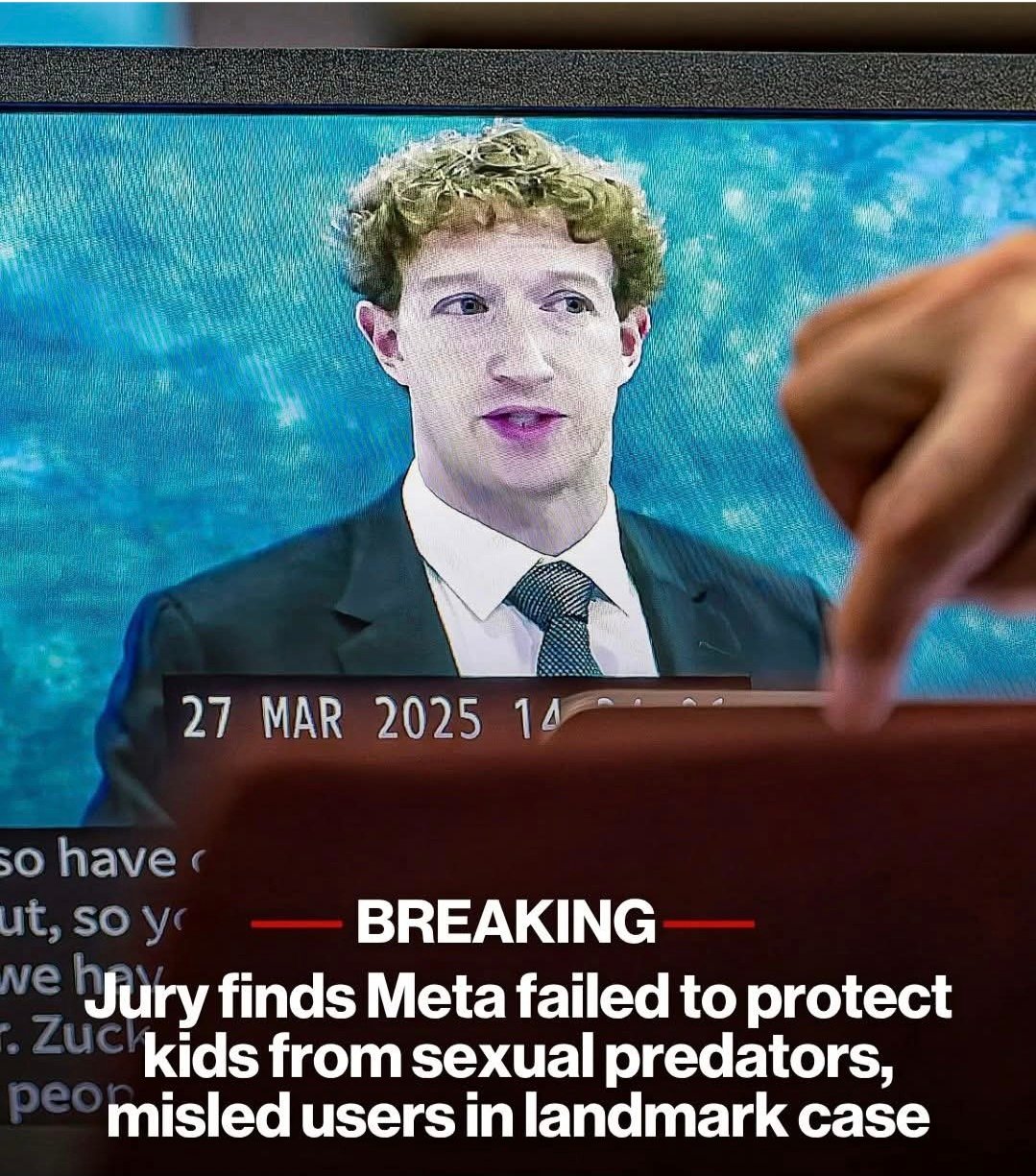
Meta Platforms Inc. has been ordered to pay $375 million in civil penalties after a New Mexico jury found the company failed to adequately protect children from sexual predators on its social media platforms, including Facebook and Instagram. The verdict, reached Tuesday after a six-week trial, marks a significant legal setback for the tech giant amid increasing scrutiny over online safety.
Jury Finds Meta Violated Consumer Protection Laws
The civil trial, which commenced with opening arguments on February 9 in Santa Fe, centered on allegations that Meta violated New Mexico’s consumer protection laws and misled residents about the safety of its applications. New Mexico Attorney General Raúl Torrez initiated the lawsuit in 2023 following an undercover operation that involved creating a fictitious social media profile of a 13-year-old girl.
According to Torrez, the fake profile was “simply inundated with images and targeted solicitations” from child abusers. The jury determined that Meta willfully violated the state’s unfair practices act by prioritizing growth and engagement over the safety of its young users.
Allegations of Negligence and Prioritization of Profits
Prosecutors argued that Meta failed to enforce its stated minimum age requirement of 13 and did not effectively prevent harmful content and predatory behavior on Facebook and Instagram. The lawsuit further alleged that Meta’s internal systems and algorithms inadvertently facilitated predators’ ability to locate and contact minors.
State attorney Linda Singer told jurors during closing arguments that the safety issues presented in the case “were not accidents” but “the result of corporate decisions that prioritized growth and engagement over the safety of children.”
Undercover Operation Reveals Exploitation
Investigators conducted a sting operation using test accounts designed to simulate young users. Court filings revealed that these accounts swiftly received explicit messages, sexual images, and solicitations from adults, including offers related to pornography and substantial payments. Authorities stated that the investigation led to multiple arrests connected to online exploitation cases.
Expert Testimony Highlights Platform Vulnerabilities
During the trial, jurors heard testimony from former Meta safety researcher Arturo Béjar, who recounted how his teenage daughter received inappropriate messages shortly after creating an Instagram account. Béjar testified that the platform’s recommendation system could inadvertently connect minors with adults intending to exploit them.
“The product is very effective at connecting people with similar interests,” Béjar stated. “If someone’s interest is children, the system can connect them with children.”
Internal Warnings Ignored, Court Documents Suggest
Court documents also revealed internal company communications cautioning executives about the prevalence of harmful activity on the platforms. These communications included estimates suggesting hundreds of thousands of potential exploitation incidents daily across Facebook and Instagram, indicating that the company was aware of the risks but failed to take adequate action.
Meta Plans to Appeal, Cites Safety Investments
Meta has expressed disagreement with the verdict and announced its intention to appeal. In a statement, the company asserted that it has invested significantly in safety tools and employs tens of thousands of individuals dedicated to removing harmful content and safeguarding users.
“We work hard to keep people safe on our platforms,” a Meta spokesperson said. “We are clear about the challenges of identifying bad actors online, and we will continue improving our systems.” Meta’s lawyers argued during the trial that the company has developed advanced automated detection tools and has committed substantial resources to online safety.
Implications for the Technology Industry and Future Regulation
Legal experts believe the ruling could have significant implications for future cases involving major technology companies and might lead to stricter regulation of social media platforms, especially concerning the protection of minors. The New Mexico case is among several lawsuits across the United States seeking to hold technology companies accountable for harmful content on their platforms.
Similar cases are ongoing in other states, including California, where Meta and Google’s YouTube face claims related to social media addiction and youth mental health. The outcome of Meta’s appeal, expected to take several months, could have far-reaching consequences for the technology industry, potentially reshaping how social media companies address online safety concerns.
Local Context and Online Safety Awareness in the Philippines
While the New Mexico case unfolded in the United States, the issues it raises about online safety and child protection are globally relevant, including in the Philippines. Filipino parents and educators are increasingly concerned about the risks their children face online, including exposure to inappropriate content, cyberbullying, and online predators. Increased awareness campaigns and educational programs focused on responsible social media use are essential to safeguard Filipino youth in the digital age.
Parents and guardians in Negros Oriental and across the Philippines are encouraged to actively monitor their children’s online activities, educate them about online safety, and utilize parental control tools to limit access to potentially harmful content. Schools and community organizations also play a crucial role in fostering a safe online environment for children and adolescents.
Staying Safe Online: Tips for Parents and Children
Here are some tips to help keep children safe online:
- Talk to your children about the dangers of interacting with strangers online.
- Teach children to never share personal information, such as their name, address, or phone number, with anyone they meet online.
- Encourage children to come to you if they encounter anything online that makes them feel uncomfortable or unsafe.
- Use parental control software to monitor your child’s online activity and block access to inappropriate content.
- Educate children about cyberbullying and how to report it.
- Stay informed about the latest online safety threats and trends.
By working together, parents, educators, and communities can create a safer online environment for children in the Philippines and around the world.
Photo credit: Photo by Gerd Altmann from Pixabay