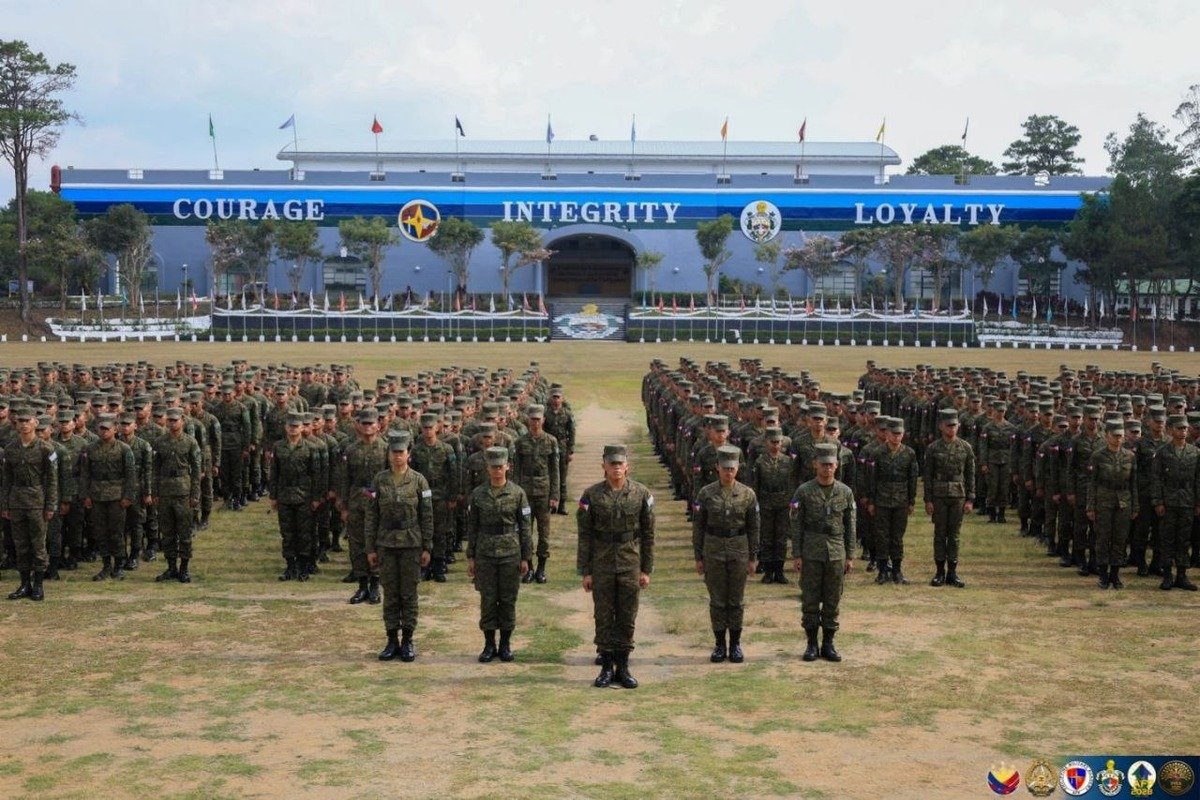
Future military officers at the Philippine Military Academy began intensive multi-domain warfare training on Monday, April 13, 2026, as the institution kicked off its Joint Field Training Exercises (JFTX) 2026 at Fort General Gregorio H Del Pilar’s Borromeo Field in Baguio City. The comprehensive program introduces cadets to advanced combat scenarios spanning cyber, electronic, drone, and cognitive warfare domains.
This landmark training initiative spans 13 days and represents the academy’s most ambitious educational evolution to date. For the first time in PMA history, organizers have established a specialized Multi-Domain Task Unit designed to confront the sophisticated threats characterizing contemporary military operations.
Revolutionary Training Structure Addresses Modern Combat
The academy has organized participating cadets into four specialized task units, each addressing distinct operational domains. Beyond traditional ground, naval, and air components, the newly created multi-domain unit focuses exclusively on emerging warfare technologies and methodologies.
This innovative structure aims to enhance cadets’ comprehension of joint military operations while emphasizing interoperability requirements essential for addressing both conventional threats and evolving challenges in territorial and external defense scenarios.
Ground operations teams concentrate on land-based tactical scenarios, while naval units address maritime security challenges particularly relevant to archipelagic defense requirements. Air operations groups focus on aerial combat and defense strategies, creating a comprehensive training environment.
Emerging Warfare Technologies Take Priority
The Multi-Domain Task Unit addresses four critical areas of modern military operations: cognitive warfare, unmanned aerial vehicle operations, cybersecurity threats, and electronic warfare capabilities. These domains represent increasingly vital components of 21st-century military strategy.
Cadets participating in cognitive warfare training learn to identify and counter sophisticated information operations and psychological manipulation tactics. The drone warfare component exposes future officers to both offensive and defensive applications of unmanned systems that have become standard in contemporary conflicts.
Cybersecurity training modules prepare cadets for the digital battlefield, addressing both defensive cybersecurity protocols and offensive cyber capabilities. Electronic warfare scenarios involve communication disruption techniques, radar jamming operations, and various electronic countermeasure applications.
Strategic Alignment with National Defense Priorities
Brigadier General Nelson C Aluad PA, serving as Commandant of Cadets, highlighted the exercise’s strategic importance during opening ceremonies. He emphasized that all training activities and scenarios align with guidance from the academy’s Superintendent and conform to objectives outlined in the Comprehensive Archipelagic Defense Concept (CADC).
“All activities and scenarios shall be relevant and tailored to the specific objectives of each branch of service, in alignment with the Comprehensive Archipelagic Defense Concept,” Brigadier General Aluad explained during his address to participating cadets.
The CADC integration ensures training scenarios reflect realistic situations future officers may encounter while defending Philippine territorial and maritime interests. This practical approach strengthens connections between theoretical military education and actual operational requirements.
Bridging Academic Learning with Practical Application
The training program specifically integrates knowledge acquired through micro-credential courses, allowing cadets to apply specialized theoretical learning in realistic field environments. This educational approach demonstrates PMA’s commitment to modernizing military instruction through targeted capability development.
Each military service branch receives customized training objectives within the broader exercise framework, ensuring Army, Navy, and Air Force cadets develop both collaborative operational capabilities and service-specific expertise.
The exercise serves as the culminating training event for the current academic year, providing cadets with opportunities to demonstrate accumulated knowledge and skills in comprehensive field settings before graduation and commissioning.
Leadership Development Through Realistic Scenarios
Brigadier General Aluad emphasized the long-term significance of the training experience for cadet professional development. He advised participating cadets to maximize learning opportunities, noting that field exercise experiences provide unique preparation unlikely to be replicated in future leadership roles within the Armed Forces of the Philippines.
“To the cadets, seize the opportunity to learn more, as the experiences you will gain here will unlikely mirror the challenges you will face in your future roles as leaders of AFP,” the Commandant stated.
This guidance underscores JFTX 2026’s function as a critical transition between academic military education and operational leadership responsibilities. The training exposes cadets to mission-oriented scenarios reflecting actual military service demands.
Extended Duration Enables Comprehensive Skill Development
The 13-day exercise duration provides adequate time for cadets to engage with increasingly complex scenarios across multiple operational domains while developing practical joint operations experience. The extended timeframe allows for progressive skill building and scenario sophistication.
For First Class Cadets approaching graduation, JFTX 2026 represents their final major training experience before assuming commissioned officer responsibilities. The timing adds particular significance to the exercise as these future leaders prepare for active duty assignments.
The Fort Del Pilar location provides an optimal controlled environment where cadets can participate in realistic training scenarios while maintaining security and operational considerations. The facility’s comprehensive resources support complex logistical requirements associated with multi-domain training operations.
Integration of micro-credential coursework demonstrates the academy’s dedication to educational modernization through specialized training modules addressing specific military capability areas, ensuring cadets receive focused expertise in critical operational functions.